

Ayyuhal Walad (O Son!)
"Ayyuhal Walad" (O Son!) is a timeless epistle by Imam Abu Hamid al-Ghazali, addressed to one of his advanced students. The student, seeking guidance on the most beneficial knowledge for the hereafter, requested a concise and practical response. In his letter, Imam al-Ghazali distills profound spiritual wisdom into a brief yet comprehensive guide, emphasizing the importance of integrating knowledge with righteous action.

O Traveller to the Sacred City of Madinah Munawwarah
O Traveller to the Sacred City of Madinah Munawwarah is a concise guide designed to assist and educate Muslims journeying to the blessed city of Madinah. Compiled by Abdul Rahman ibn Hussein Kolia Roshnee, this treatise provides authentic information drawn from the Qur'an, Hadith, and the practices of the Noble Companions. It serves as a valuable resource for pilgrims, offering insights into the spiritual significance and etiquettes associated with visiting Madinah.
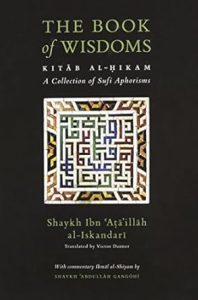
The Book of Wisdoms
This classic Sufi text is a collection of 264 aphorisms that delve into the spiritual journey of the soul, emphasizing themes like divine wisdom, self-purification, and the relationship between the seeker and the Divine. The aphorisms are concise yet profound, offering guidance for those on the spiritual path.

The Real Treatment for Droughts and Plagues
In this concise treatise, Maulana Thanvi (RA) explores the Islamic perspective on natural disasters, offering guidance rooted in the Qur'an and Sunnah. He underscores that such events are tests from Allah, meant to purify believers and draw them closer to Him. The book provides practical advice on maintaining faith, engaging in supplication, and upholding ethical conduct during times of hardship.

The Secret of Secrets
Translated into English by Shaykh Tosun Bayrak al-Jerrahi, The Secret of Secrets serves as a guide for those seeking deeper spiritual understanding. It elucidates how fundamental Islamic practices—such as prayer, fasting, almsgiving, and pilgrimage—are not merely external obligations but are imbued with inner significance that, when comprehended, lead to spiritual fulfillment and closeness to the Divine