Etiquettes for Teachers
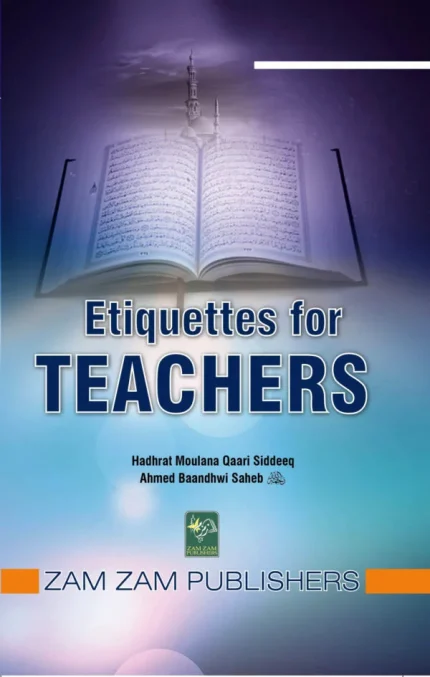
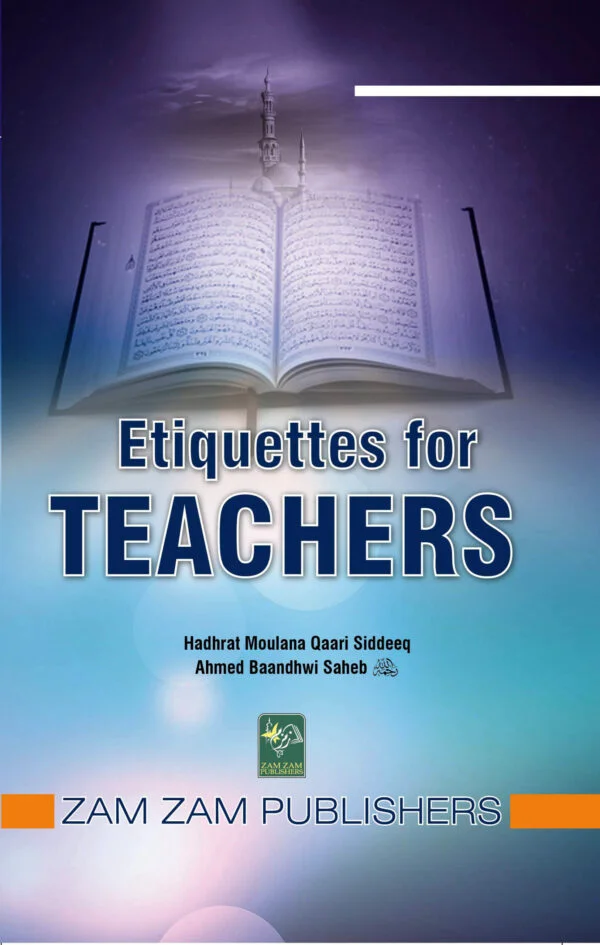
Etiquettes for Teachers is a concise guide outlining ten essential etiquettes for educators, rooted in the Qur'an and Sunnah. Authored by the esteemed Hadhrat Maulana Qari Siddeeq Ahmad Baandwi (RA), the book emphasizes the spiritual and moral responsibilities of teachers. It serves as a valuable resource for educators aiming to align their teaching practices with Islamic principles.
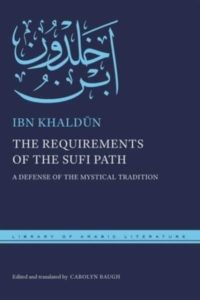
Ibn Khaldun on Sufism: Remedy for the Questioner in Search of Answers
"Ibn Khaldun on Sufism: Remedy for the Questioner in Search of Answers" is the first-ever English translation of Ibn Khaldun's treatise Shifa’ al-Sa’il li-Tahdhib al-Masa’il. In this work, Ibn Khaldun addresses a prevalent debate in fourteenth-century Andalusia regarding the necessity of a spiritual guide (shaykh) for the Sufi path. He examines whether reliance on written texts suffices for spiritual guidance or if direct mentorship is essential
The treatise delves into the nature of Sufism, its practices, and its role within Islamic spirituality. Ibn Khaldun, renowned for his contributions to sociology and historiography, applies his analytical acumen to assess the legitimacy and requirements of the Sufi tradition. His insights offer a nuanced understanding of Sufism's place in Islamic thought and practice
This translation by Yumna Ozer provides readers with access to Ibn Khaldun's perspectives on Sufism, shedding light on his views and the intellectual milieu of his time.

The Virtues of Visiting the Sick
The Virtues of Visiting the Sick is a concise yet profound booklet that delves into the Islamic perspective on visiting the ill. Authored by Dr. Amjad Ahsan Ali, the book emphasizes the spiritual and communal benefits of this noble act. It highlights the immense rewards promised in the Hadith for those who visit the sick, underscoring the importance of empathy, compassion, and community solidarity in Islam.

Tuhfatush Shabaab
Tuhfatush Shabaab is meticulously crafted to guide Muslim youth through the challenges they face during their formative years. The booklet is divided into two main parts:
-
Part 1: Focuses on foundational Islamic practices and personal development, covering topics such as:
-
Puberty (Buloogh)
-
Cleanliness, Istinjaa (personal hygiene), Circumcision, and Janaabat (state of impurity)
-
Hair grooming, Clothing, and the use of Perfume
-
Physical Fitness and Permissible Sports
-
Prohibitions like Music, Smoking, Intoxicants, and Gambling
-
-
Part 2: Addresses contemporary issues and moral guidance, including:
-
Evil glances, Photography, Television, and Cell Phones
-
Pornography, Masturbation, Zina (fornication), Dating, and Suicide
-
Conduct and Duties at Home
-
Mashwara (consultation), Employment
-
Qualities of a Successful Muslim Youth
-
The content is designed to be informative yet sensitive, ensuring that topics of a delicate nature are approached with the utmost care and respect.
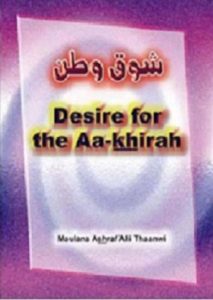
Yearning for the Hereafter
"Yearning for the Hereafter" is a profound work by Maulana Ashraf Ali Thanwi (rahimahullah) that delves into the Islamic perspective on the afterlife. The book addresses topics such as the Day of Judgment, the experiences of the soul after death, and the eternal abode of Paradise or Hell. Through this work, the author aims to instill a deep sense of longing and preparation for the Hereafter, encouraging readers to lead a life that aligns with Islamic teachings and to remain mindful of their actions in this world.