
Contemporary Challenges In The Feild Of Hadeeth
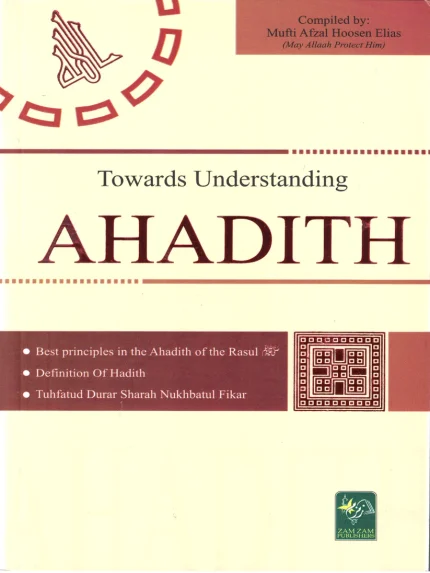
The widespread assaults on the Mubarak Hadith of Rasulullah (sallallahu ‘alayhi wasallam) are no secret to any person of this field. Whilst these attacks progressively increase, the ummah on the other hand, is faced with the predicament of “internal cracks” and widespread disarray among so called “Hadith Scholars”.
Al-‘Allāmatul Muhaddith, Shaykh Muhammad ‘Awwamah (hafizahullāh) addressed these two contemporary challenges in the field of Hadith in a paper that he presented to a gathering of the most senior Scholars of the world. These words of advice are of a seasoned expert of Hadith, who has made remarkable contributions to this field.
Although this paper was delivered over ten years ago, its contents are extremely important, and are actually more applicable today than when it was delivered.
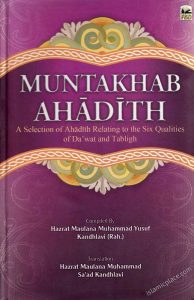
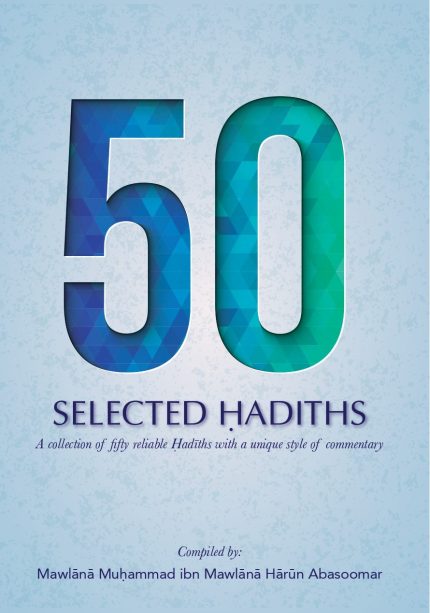
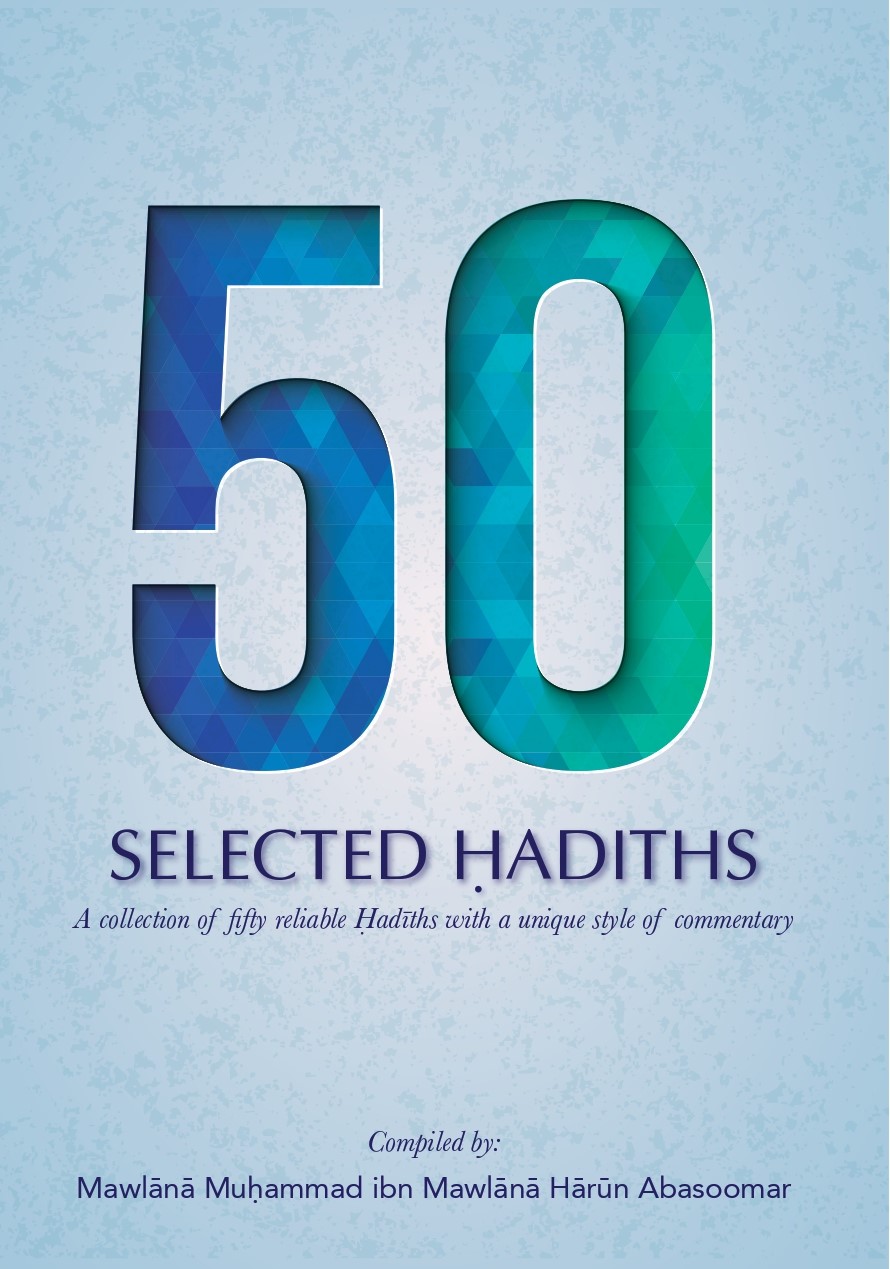
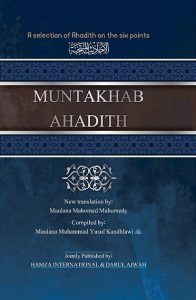
Muntakhab Ahadeeth
Muntakhab Ahadith (“Selected Ahadith”) is an encyclopedic compilation of curated Qur’anic verses and Prophetic narrations centered on the six essential qualities of Dawah and Tabligh—Kalimah Tayyibah, Ṣalāh, ‘Ilm & Dhikr, Ikram‑e‑Muslim, Ikhlāṣ‑e‑Niyyat, and Da’wah. Originally compiled in Arabic by the late Maulana Yusuf Kandhlawi (son and successor of Maulana Ilyas Kandhlawi), it was meticulously organized by his grandson Maulana Muhammad Saad Kandhlawi and rendered into English with contributions from Dr. F.U. Farooqi Qasmi. This handbook serves as both a practical guide for callers to Islam and a succinct reference for scholars.
The Muwwata Of Imaam Muhammed (Hard Cover)
"The unqualified truth is that all of the Muwatta is sahih without any exception!" Hafiz Ibn Hajar al-Asqalani This quote from one of the greatest authorities on hadith of all time is sufficient recommendation. The version of the Muwatta narrated by Imam Muhammad ibn al-Hasan al-Shaybani, one of the two leading pupils of Imam Abu Hanifah, directly from his three years of study with Imam Malik will be of particular interest not only to students of Hanafi fiqh, but also to students of hadith in general. The Muwatta' Imam Malik composed the Muwatta over a period of forty years to represent the well-trodden path of the people of Madina. Its name also means that it is the book that is many times agreed upon about whose contents the people of Madinah were unanimously agreed and that is made easy and facilitated . Its high standing is such that people of every school of fiqh and all of the imams of hadith scholarship agree upon its authenticity. Imam Shafi i said, There is not on the face of the earth & after the Book of Allah a book & which is more sahih than the book of Malik. Shah Wali Allah Dihlawi (1114-1176 AH) said, My breast expanded and I became certain that the Muwatta is the most sahih book to be found on the earth after the Book of Allah. Imam Malik Imam Malik is the imam of the imams, the leader of the people of knowledge of Madinah, Malik ibn Anas ibn Malik ibn Abi Amir al-Asbahi al-Madani, born in 94 AH, 95 AH or even 99 AH. He was called the Man of Knowledge of madinah. People of knowledge understood that it was him the Prophet saw indicated in the hadith from Abu Hurayra, People will soon beat the livers of their camels [in travelling in search of knowledge] but they will not find a man of knowledge more knowledgeable than the man of knowledge of Madinah. Among his pupils were the Imams Sufyan ath-Thawri, Sa id ibn Mansur, Abdullah ibn al-Mubarak, Abd ar-Rahman al-Awza i who was older than him, Layth ibn Sa d who was one of his peers, Imam ash-Shafi i, Muhammad ibn al-Hasan al-Shaybani, the Malikis Abd ar-Rahman ibn al-Qasim, Yahya ibn Yahya al-Laythi, Ibn Wahb, and Dhu n-Nun al-Misri. He died in 179 AH on the morning of the 14th of Rabi al-Awwal. Imam Muhammad al-Shaybani He is Abu Abdullah Muhammad ibn al-Hasan ibn Farqad al-Shaybani. Muhammad was born in Wasit in 132 AH, and grew up in Kufa. He was a pupil of Abu Hanifah. Imam Shafi i said, I have not seen anyone more eloquent than him. I used to think when I saw him reciting the Qur an that it was as if the Qur an had been revealed in his language. He also said, I have not seen anyone more itelligent than Muhammad ibn al-Hasan. Adh-Dhahabi said, He narrated from Malik ibn Anas and others, and he was one of the great oceans of knowledge and fiqh, and he was strong [when he narrated] from Malik. Muhammad said, I stood at Malik s door for three years and I heard [the Muwatta ] from him [with] more than seven hundred hadith. He died in Ray in 189 AH. Translated by Mohammed Abdurahman, Abdassamad Clark and Dr Asadullah Yate (The science of (Jarah) Invalidation and Authentication (Tadil). Editors Mufti Zubair Ismail Bayat, Uthman Ibrahim Morrisson and Sister Safira Batha.