

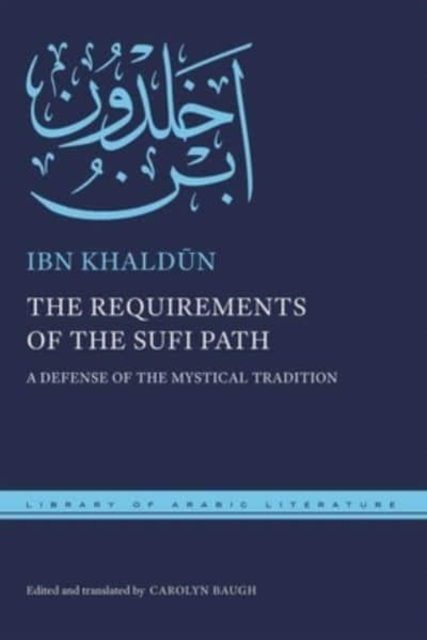

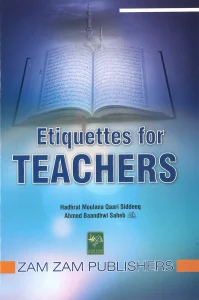
Etiquettes for Teachers
Etiquettes for Teachers is a concise guide outlining ten essential etiquettes for educators, rooted in the Qur'an and Sunnah. Authored by the esteemed Hadhrat Maulana Qari Siddeeq Ahmad Baandwi (RA), the book emphasizes the spiritual and moral responsibilities of teachers. It serves as a valuable resource for educators aiming to align their teaching practices with Islamic principles.
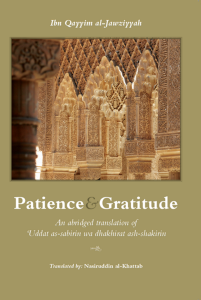
Patience and Gratitude
"Patience and Gratitude" is an abridged translation of Ibn Qayyim al-Jawziyyah's classical work Uddat as-Sabirin wa Dhakhirat ash-Shakirin. In this concise volume, the author delves into two fundamental virtues in Islam: sabr (patience) and shukr (gratitude). He explores their definitions, categories, and significance, illustrating how they contribute to spiritual growth and resilience. The book provides practical insights on cultivating these virtues in daily life, emphasizing their role in achieving inner peace and closeness to Allah. Through references to the Qur'an, Hadith, and the practices of the Sahabah, Ibn Qayyim offers timeless guidance for believers seeking to navigate life's challenges with steadfastness and thankfulness.

The Book of Certainty: The Sufi Doctrine of Faith, Vision and Gnosis
"The Book of Certainty" is a profound yet accessible introduction to Sufi metaphysics, authored by Dr. Martin Lings under the pen name Abu Bakr Siraj ad-Din. Drawing from Islamic mysticism, the book elucidates the three degrees of certainty
-
'Ilmu 'l-yaqin (Knowledge of Certainty)
-
'Aynu 'l-yaqin (Eye of Certainty)
-
Haqqu 'l-yaqin (Truth of Certainty)
Through vivid metaphors and traditional imagery, Lings explores themes such as the nature of the soul, the symbolism of light and darkness, and the journey of spiritual realization. The work is praised for its clarity and depth, making complex Sufi concepts accessible to readers.
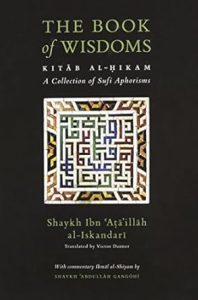
The Book of Wisdoms
This classic Sufi text is a collection of 264 aphorisms that delve into the spiritual journey of the soul, emphasizing themes like divine wisdom, self-purification, and the relationship between the seeker and the Divine. The aphorisms are concise yet profound, offering guidance for those on the spiritual path.

The Importance, Necessity, and Virtues of the Sunnah
The Importance, Necessity, and Virtues of the Sunnah is a profound work that delves into the significance of adhering to the Sunnah of the Prophet Muhammad ﷺ. Compiled by Hazrat Maulana Shah Abdul Hamid Is'haq (DB), the book emphasizes that following the Sunnah is essential for the spiritual and moral upliftment of an individual and the community at large. It outlines how the Sunnah serves as a practical guide to living a life in accordance with Islamic principles, offering clarity and direction in various aspects of daily life.