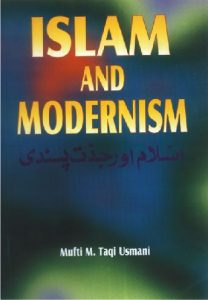
Islam and Modernism
Islam and Modernism is a critical examination of the relationship between Islamic principles and the concept of modernity. Mufti Muhammad Taqi Usmani addresses various Western ideologies and practices, analyzing their compatibility with Islamic teachings. He argues that while Islam is not opposed to progress, many aspects of Western modernism conflict with Islamic values. The book delves into topics such as the Industrial Revolution, scientific advancements, and the reinterpretation of Islamic law, emphasizing the importance of adhering to authentic Islamic teachings in the face of modern challenges. It serves as a guide for Muslims seeking to navigate the complexities of contemporary society without compromising their faith.
O Traveller to the Sacred City of Madinah Munawwarah
O Traveller to the Sacred City of Madinah Munawwarah is a concise guide designed to assist and educate Muslims journeying to the blessed city of Madinah. Compiled by Abdul Rahman ibn Hussein Kolia Roshnee, this treatise provides authentic information drawn from the Qur'an, Hadith, and the practices of the Noble Companions. It serves as a valuable resource for pilgrims, offering insights into the spiritual significance and etiquettes associated with visiting Madinah.
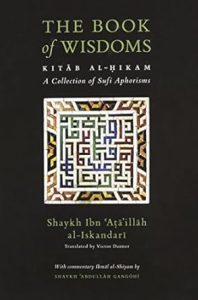
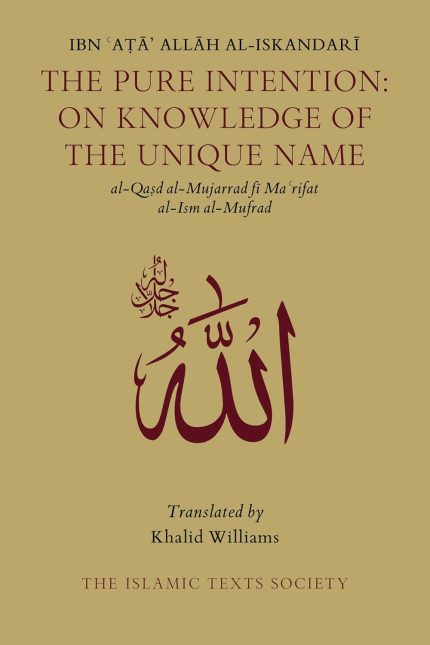
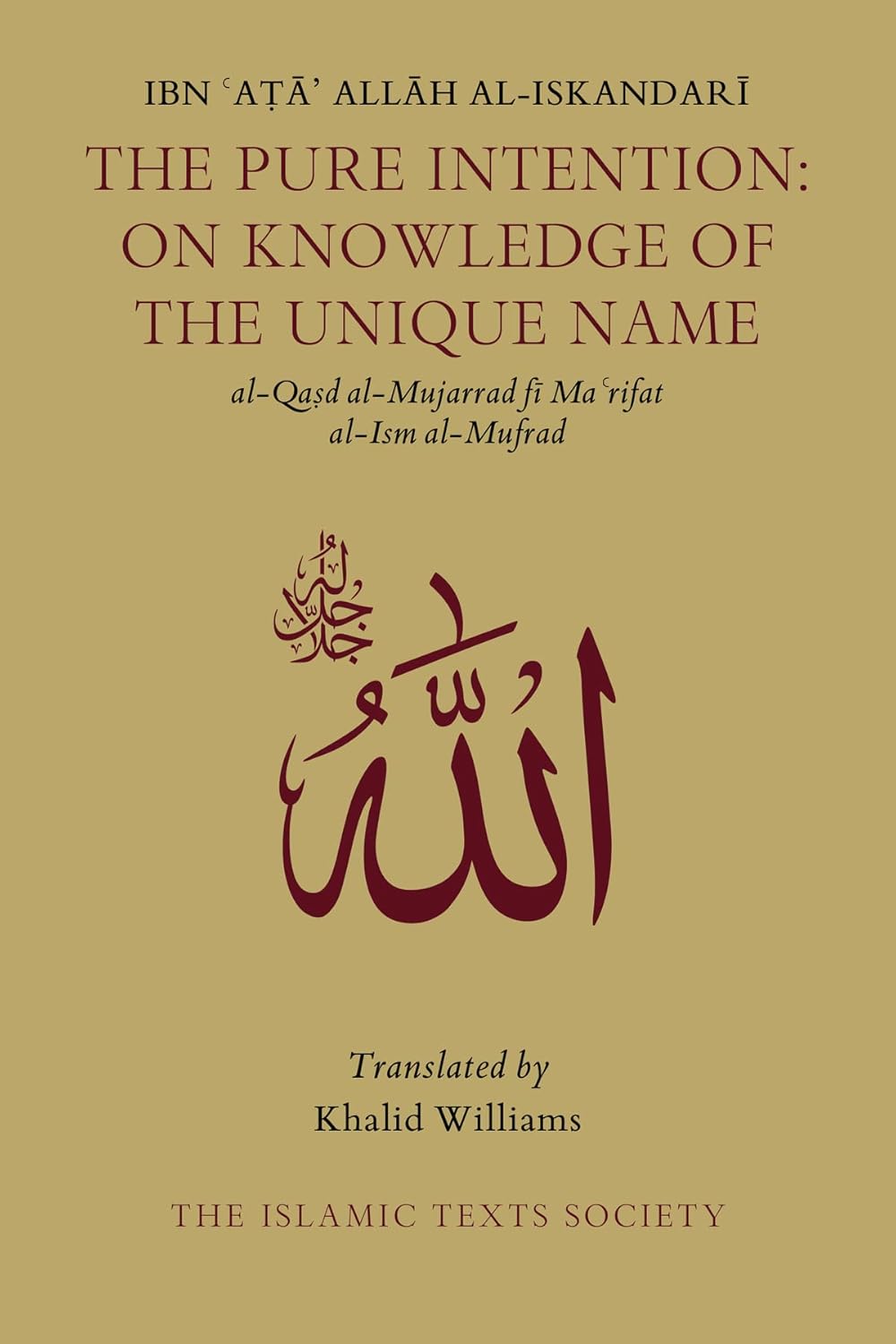
The Book of Wisdoms
This classic Sufi text is a collection of 264 aphorisms that delve into the spiritual journey of the soul, emphasizing themes like divine wisdom, self-purification, and the relationship between the seeker and the Divine. The aphorisms are concise yet profound, offering guidance for those on the spiritual path.

The Importance, Necessity, and Virtues of the Sunnah
The Importance, Necessity, and Virtues of the Sunnah is a profound work that delves into the significance of adhering to the Sunnah of the Prophet Muhammad ﷺ. Compiled by Hazrat Maulana Shah Abdul Hamid Is'haq (DB), the book emphasizes that following the Sunnah is essential for the spiritual and moral upliftment of an individual and the community at large. It outlines how the Sunnah serves as a practical guide to living a life in accordance with Islamic principles, offering clarity and direction in various aspects of daily life.
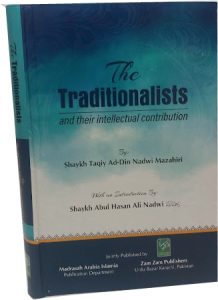
The Traditionalists and Their Intellectual Contribution
The book offers detailed biographies and analyses of the intellectual contributions of eleven eminent scholars of Hadith:albalaghbooks.com
-
Imam Abu Hanifah
-
Imam Malik
-
Imam Shafi'i
-
Imam Ahmad ibn Hanbal
-
Imam Bukhari
-
Imam Muslim
-
Imam Abu Dawood
-
Imam Tirmidhi
-
Imam Nasa'i
-
Imam Ibn Majah
-
Imam Tahawi
Additionally, it explores the historical development of Hadith compilation, providing insights into the methodologies and challenges faced by these scholars in preserving the sayings and actions of the Prophet Muhammad ﷺ.