The Importance of Good Manners with ʿUlamāʾ

R75.00
  1. Foundational Role of Adab: The book highlights that adab is foundational to acquiring beneficial knowledge. Without proper manners, the pursuit of knowledge may lack spiritual depth and efficacy.

  2. Respecting Scholars: It emphasizes the importance of showing reverence to all people of religious knowledge, including local imams, teachers, and scholars. Such respect is seen as a means to attain success in both religious and worldly matters.

  3. Learning Before Teaching: The text advocates for students to internalize good manners before disseminating knowledge, ensuring that they embody the principles they teach.

  4. Practical Examples: The book provides anecdotes and examples from the lives of pious predecessors, illustrating how they honored their teachers and the knowledge imparted to them.

The Importance, Necessity, and Virtues of the Sunnah
R25.00
The Importance, Necessity, and Virtues of the Sunnah is a profound work that delves into the significance of adhering to the Sunnah of the Prophet Muhammad ﷺ. Compiled by Hazrat Maulana Shah Abdul Hamid Is'haq (DB), the book emphasizes that following the Sunnah is essential for the spiritual and moral upliftment of an individual and the community at large. It outlines how the Sunnah serves as a practical guide to living a life in accordance with Islamic principles, offering clarity and direction in various aspects of daily life.

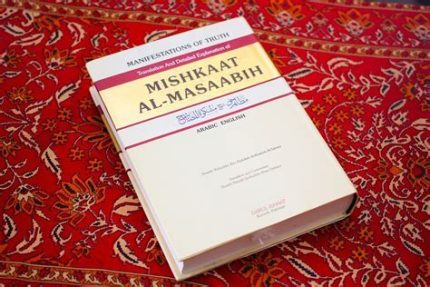
The Introduction To Miashkaat Masabih

R75.00
Mishkat al-Masabih is a selection of hadith compiled by Imam Khatib at-Tabrizi. Imam at-Tabrizi expanded on an earlier selection of hadith named Masabih as-Sunnah by Imam al-Baghawi. Mishkat al-Masabih contains approximately 6,000 hadith chosen from the Six Books, Musnad Ahmad, and various others. It is a comprehensive selection of hadith that covers almost all aspects of Islamic belief, jurisprudence (fiqh), and virtues.

The Islamic Perspective Of Loans

R20.00
In this book, one of the major acts in which people are generally involved has been clarified in the light of the Quran and hadith. This is the issue of the loans. A loan is taken when one is desperate and it is not an evil act to do so. However, to take a loan and not to pay it or to delay and procrastinate in paying the lender is a very evil character trait and a major sin.

The Islamic Workbook for Managing Anxiety

R395.00

This workbook offers a holistic approach to anxiety management by integrating Islamic teachings with therapeutic techniques. It covers:

  • Cognitive Restructuring: Identifying and challenging negative thought patterns.

  • Emotional Regulation: Techniques to manage and understand emotional responses.

  • Behavioral Interventions: Including Exposure and Response Prevention (ERP).

  • Spiritual Practices: Emphasizing dhikr (remembrance), shukr (gratitude), and fikr (reflection) to foster resilience.

By drawing strength from faith and incorporating Islamic teachings, individuals can find spiritual support, patience, and resilience in the face of anxiety.
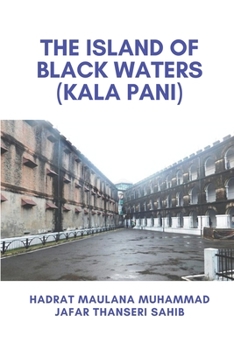
The Island of Black Waters (Kālā Pānī)
R30.00
"The Island of Black Waters" is a poignant autobiographical account of Hadrat Maulānā Muhammad Ja’far Thanserī Sāhib, detailing his trials and tribulations during British colonial rule. The narrative chronicles his unjust imprisonment and exile to the notorious penal colony known as Kālā Pānī (Black Waters) in the Andaman Islands. Through his unwavering faith and resilience, the author illustrates the profound spiritual lessons gleaned from adversity, highlighting the strength of conviction and the solace found in divine remembrance.

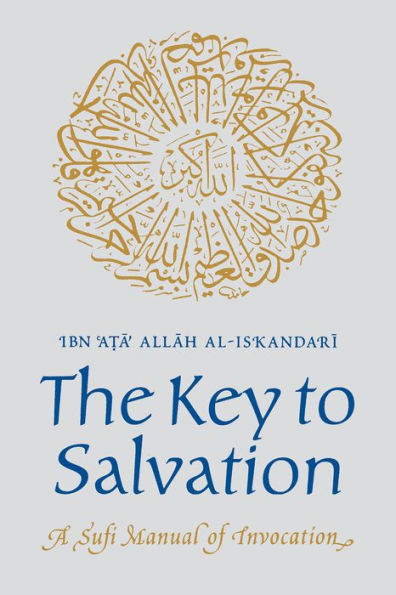
The Key to Salvation: A Sufi Manual of Invocation
R455.00
This manual delves into the principles of dhikr (remembrance of God), emphasizing its significance in spiritual development. Ibn ʿAṭāʾ Allāh elucidates the nature, power, and outcomes of dhikr, supporting his insights with references from the Qur'an and Hadith. The text also sheds light on associated practices like spiritual retreats, offering guidance on how novices were mentored by Sufi masters.

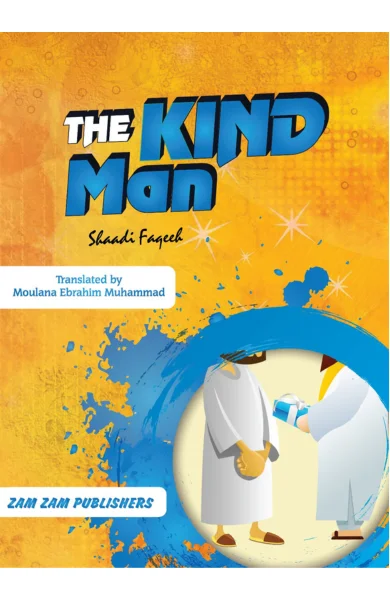
The Kind Man

R45.00
The Kind Man A Heartfelt Book Teaching Compassion  

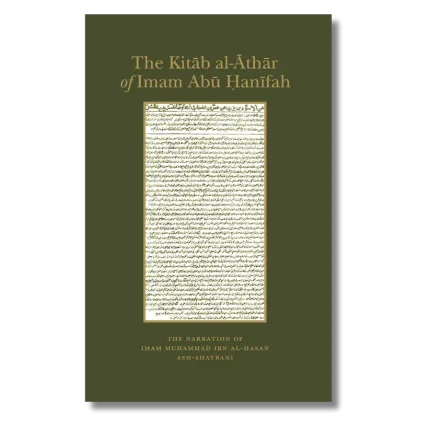
The Kitab Al Athar If Imaam Abu Hanifa
R350.00
The Kitab al-Athar was the first book composed in Islam after the generation of the Companions. Al-Imam al-Azam Abu Hanifah Numan ibn Thabit wrote it. It comprises Ahadith that connect directly back to the Messenger of Allah sallallahu 'alayhi wasallam (marfu), those which stop short at a Companion or one of the Followers (mawquf) and those which are attributed to the Messenger sallallahu 'alayhi wasallam directly by one of the Followers or Followers of the Followers without attribution to a Companion (mursal).

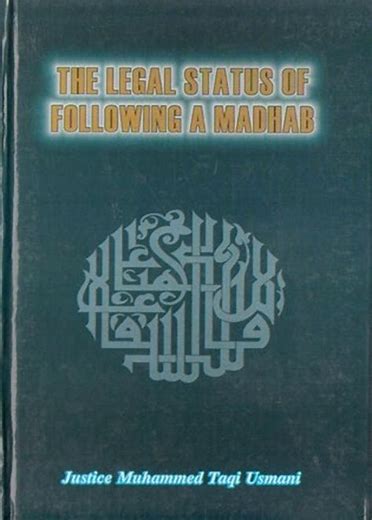
The Legal Status OF Following A Madhab
R40.00
Here is a lucid exposition of the basic issues of taqlid and ijtihad with answers to routinely raised questions. The approach is academic and non-confrontational. A must read if you want to understand this sometimes hotly debated issue.

The Muwatta Of Imam Muhammed (soft cover)

R280.00
"The unqualified truth is that all of the Muwatta is sahih without any exception!" Hafiz Ibn Hajar al-Asqalani This quote from one of the greatest authorities on hadith of all time is sufficient recommendation. The version of the Muwatta narrated by Imam Muhammad ibn al-Hasan al-Shaybani, one of the two leading pupils of Imam Abu Hanifah, directly from his three years of study with Imam Malik will be of particular interest not only to students of Hanafi fiqh, but also to students of hadith in general. The Muwatta' Imam Malik composed the Muwatta over a period of forty years to represent the well-trodden path of the people of Madina. Its name also means that it is the book that is many times agreed upon about whose contents the people of Madinah were unanimously agreed and that is made easy and facilitated . Its high standing is such that people of every school of fiqh and all of the imams of hadith scholarship agree upon its authenticity. Imam Shafi i said, There is not on the face of the earth & after the Book of Allah a book & which is more sahih than the book of Malik. Shah Wali Allah Dihlawi (1114-1176 AH) said, My breast expanded and I became certain that the Muwatta is the most sahih book to be found on the earth after the Book of Allah. Imam Malik Imam Malik is the imam of the imams, the leader of the people of knowledge of Madinah, Malik ibn Anas ibn Malik ibn Abi Amir al-Asbahi al-Madani, born in 94 AH, 95 AH or even 99 AH. He was called the Man of Knowledge of madinah. People of knowledge understood that it was him the Prophet saw indicated in the hadith from Abu Hurayra, People will soon beat the livers of their camels [in travelling in search of knowledge] but they will not find a man of knowledge more knowledgeable than the man of knowledge of Madinah. Among his pupils were the Imams Sufyan ath-Thawri, Sa id ibn Mansur, Abdullah ibn al-Mubarak, Abd ar-Rahman al-Awza i who was older than him, Layth ibn Sa d who was one of his peers, Imam ash-Shafi i, Muhammad ibn al-Hasan al-Shaybani, the Malikis Abd ar-Rahman ibn al-Qasim, Yahya ibn Yahya al-Laythi, Ibn Wahb, and Dhu n-Nun al-Misri. He died in 179 AH on the morning of the 14th of Rabi al-Awwal. Imam Muhammad al-Shaybani He is Abu Abdullah Muhammad ibn al-Hasan ibn Farqad al-Shaybani. Muhammad was born in Wasit in 132 AH, and grew up in Kufa. He was a pupil of Abu Hanifah. Imam Shafi i said, I have not seen anyone more eloquent than him. I used to think when I saw him reciting the Qur an that it was as if the Qur an had been revealed in his language. He also said, I have not seen anyone more itelligent than Muhammad ibn al-Hasan. Adh-Dhahabi said, He narrated from Malik ibn Anas and others, and he was one of the great oceans of knowledge and fiqh, and he was strong [when he narrated] from Malik. Muhammad said, I stood at Malik s door for three years and I heard [the Muwatta ] from him [with] more than seven hundred hadith. He died in Ray in 189 AH. Translated by Mohammed Abdurahman, Abdassamad Clark and Dr Asadullah Yate (The science of (Jarah) Invalidation and Authentication (Tadil). Editors Mufti Zubair Ismail Bayat, Uthman Ibrahim Morrisson and Sister Safira Batha.

The Muwwata Of Imaam Muhammed (Hard Cover)

R950.00
"The unqualified truth is that all of the Muwatta is sahih without any exception!" Hafiz Ibn Hajar al-Asqalani This quote from one of the greatest authorities on hadith of all time is sufficient recommendation. The version of the Muwatta narrated by Imam Muhammad ibn al-Hasan al-Shaybani, one of the two leading pupils of Imam Abu Hanifah, directly from his three years of study with Imam Malik will be of particular interest not only to students of Hanafi fiqh, but also to students of hadith in general. The Muwatta' Imam Malik composed the Muwatta over a period of forty years to represent the well-trodden path of the people of Madina. Its name also means that it is the book that is many times agreed upon about whose contents the people of Madinah were unanimously agreed and that is made easy and facilitated . Its high standing is such that people of every school of fiqh and all of the imams of hadith scholarship agree upon its authenticity. Imam Shafi i said, There is not on the face of the earth & after the Book of Allah a book & which is more sahih than the book of Malik. Shah Wali Allah Dihlawi (1114-1176 AH) said, My breast expanded and I became certain that the Muwatta is the most sahih book to be found on the earth after the Book of Allah. Imam Malik Imam Malik is the imam of the imams, the leader of the people of knowledge of Madinah, Malik ibn Anas ibn Malik ibn Abi Amir al-Asbahi al-Madani, born in 94 AH, 95 AH or even 99 AH. He was called the Man of Knowledge of madinah. People of knowledge understood that it was him the Prophet saw indicated in the hadith from Abu Hurayra, People will soon beat the livers of their camels [in travelling in search of knowledge] but they will not find a man of knowledge more knowledgeable than the man of knowledge of Madinah. Among his pupils were the Imams Sufyan ath-Thawri, Sa id ibn Mansur, Abdullah ibn al-Mubarak, Abd ar-Rahman al-Awza i who was older than him, Layth ibn Sa d who was one of his peers, Imam ash-Shafi i, Muhammad ibn al-Hasan al-Shaybani, the Malikis Abd ar-Rahman ibn al-Qasim, Yahya ibn Yahya al-Laythi, Ibn Wahb, and Dhu n-Nun al-Misri. He died in 179 AH on the morning of the 14th of Rabi al-Awwal. Imam Muhammad al-Shaybani He is Abu Abdullah Muhammad ibn al-Hasan ibn Farqad al-Shaybani. Muhammad was born in Wasit in 132 AH, and grew up in Kufa. He was a pupil of Abu Hanifah. Imam Shafi i said, I have not seen anyone more eloquent than him. I used to think when I saw him reciting the Qur an that it was as if the Qur an had been revealed in his language. He also said, I have not seen anyone more itelligent than Muhammad ibn al-Hasan. Adh-Dhahabi said, He narrated from Malik ibn Anas and others, and he was one of the great oceans of knowledge and fiqh, and he was strong [when he narrated] from Malik. Muhammad said, I stood at Malik s door for three years and I heard [the Muwatta ] from him [with] more than seven hundred hadith. He died in Ray in 189 AH. Translated by Mohammed Abdurahman, Abdassamad Clark and Dr Asadullah Yate (The science of (Jarah) Invalidation and Authentication (Tadil). Editors Mufti Zubair Ismail Bayat, Uthman Ibrahim Morrisson and Sister Safira Batha.