Illuminating the Darkness: The Virtues of Blacks and Abyssinians

R375.00

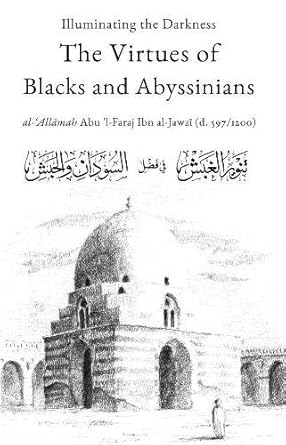
Illuminating the Darkness: The Virtues of Blacks and Abyssinians is a profound work by the esteemed 12th-century Islamic scholar, Ibn al-Jawzī. Motivated by his encounters with individuals of Ethiopian descent who felt disheartened due to their skin color, Ibn al-Jawzī composed this treatise to highlight the esteemed status and virtues of Black individuals in Islamic history.

The book delves into the lives of notable Black figures, emphasizing that virtue and piety are not determined by race or ethnicity but by one's deeds and character. Through a collection of narratives and accounts, the author underscores the contributions and significance of Black and Abyssinian individuals in the Islamic tradition.

This work serves as both a historical account and a moral guide, challenging prejudices and promoting a message of equality and respect within the Islamic worldview.
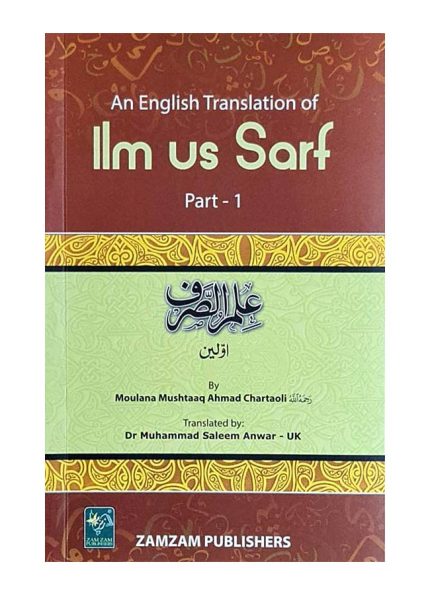
Ilm Us Sarf Part 1 (English Translation)
R80.00
Ilm Us Sarf Part 1 is a foundational textbook on Arabic morphology (Sarf), authored by Maulana Mushtaq Ahmad Chartaoli and translated into English by Zakariyya Siddiq du Preez. This book is widely used in Dars-e-Nizami courses and Islamic seminaries to teach students the principles of word formation and transformation in the Arabic language. It provides a structured approach to understanding verb conjugations, noun patterns, and other morphological concepts essential for mastering Arabic grammar.

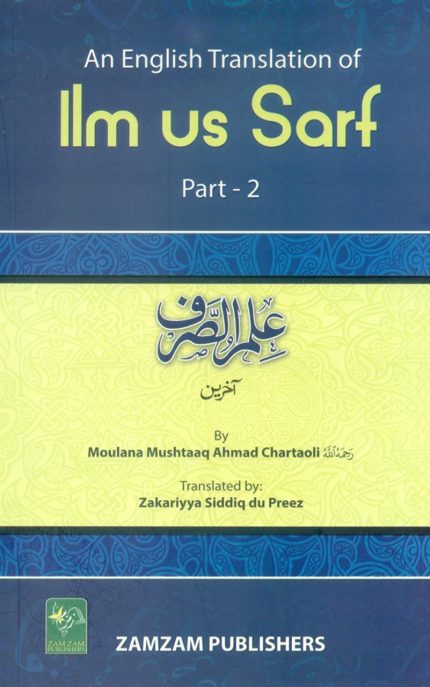
Ilm Us Sarf Part 2 (English Translation)
R40.00
Ilm Us Sarf Part 2 is the second installment in a foundational series on Arabic morphology (Sarf), authored by Maulana Mushtaq Ahmad Chartaoli and translated into English by Zakariyya Siddiq du Preez. This book continues to delve into the principles of word formation and transformation in the Arabic language, providing a structured approach to understanding verb conjugations, noun patterns, and other morphological concepts essential for mastering Arabic grammar. It is widely used in Dars-e-Nizami courses and Islamic seminaries.

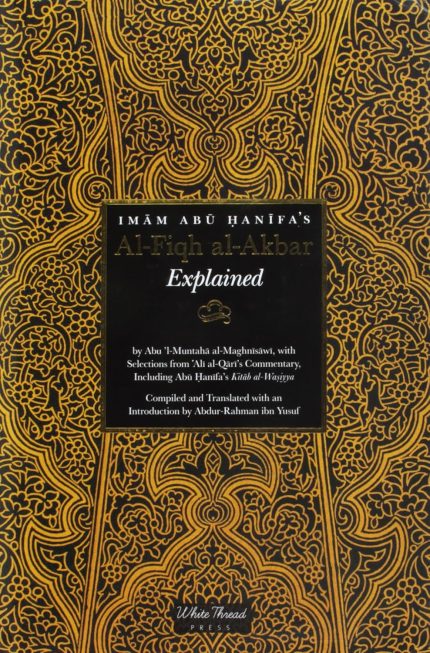
Imaam Abu Hanifa’s Fiqhul-Akbar Explained

R395.00
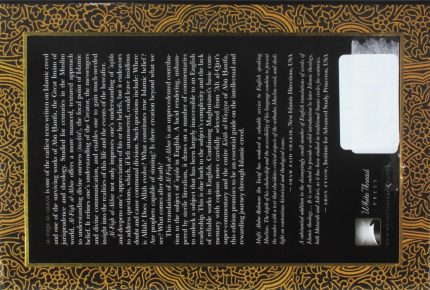
by Abu 'l-Muntaha al-Maghnisawi with Selections from 'Ali al-Qari's Commentary, including Abu Hanifa's Kitab al-Wasiyya Hardback edition with two color text inside Al-Fiqh al-Akbar is one of the earliest texts written on central Islamic theology, and one of the surviving works of Abu Hanifa, the Great Imam of jurisprudence and theology. Studied for centuries in the Muslim world, Al-Fiqh al-Akbar offers a layered understanding of divine oneness (tawhid), the underpinning of Islamic belief. It helps to refine one's understanding of the Creator, messengers, and divine communication, and enables one, moreover, to gain insight into the realities of this life and the events of the life hereafter. Al-Fiqh al-Akbar adds nuance to one's understanding of 'aqida and deepens one's appreciation of his or her beliefs, and addresses head-on questions that, if unanswered, could leave invidious doubt and cause communal division: "Where is Allah?" "Does Allah evolve?" "What constitutes true Islamic beli

Inspirations Vol 1 – A Collection of Thought Provoking Articles

R120.00
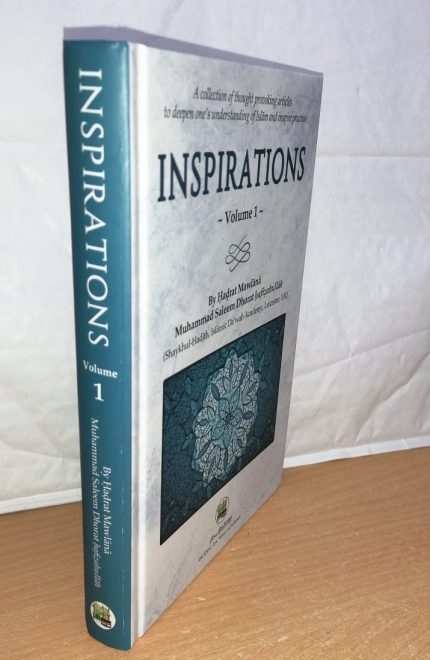
“Inspirations Vol 1” gathers 55 concise articles written to deepen one’s understanding of Islam and inspire its practical application. Topics range from the wisdom behind natural disasters and the etiquettes of Ramadan to reflections on time-management, social conduct, and spiritual growth. Each piece combines classical Islamic scholarship with contemporary relevance, guiding readers toward greater faith, character development, and community engagement.

Instruction of the Student: The Method of Learning

R60.00
  • Sincerity (Ikhlāṣ): Emphasizes the importance of seeking knowledge for the sake of Allah, not for worldly gains.

  • Choosing the Right Teacher: Advises students to select knowledgeable and pious teachers who can guide them both academically and spiritually.

  • Respect and Etiquette: Highlights the significance of showing respect to teachers and fellow students, as well as maintaining proper etiquette in the pursuit of knowledge.

  • Consistency and Patience: Encourages regular study habits and patience, recognizing that acquiring knowledge is a gradual process.

  • Practical Application: Stresses the importance of implementing learned knowledge into daily life, ensuring that it benefits both the individual and the community.