
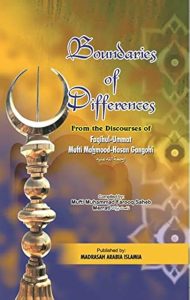
Boundaries of Differences
Boundaries of Differences is a thought-provoking book that delves into the concept of unity amidst diversity in Islam. Authored by Mufti Muhammad Farooq Sahab, the book sheds light on embracing differences within the Muslim community, emphasizing the importance of mutual respect and understanding. It explores how acknowledging and respecting diverse opinions and practices can strengthen the bonds of brotherhood and foster a harmonious society.
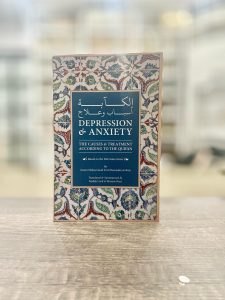
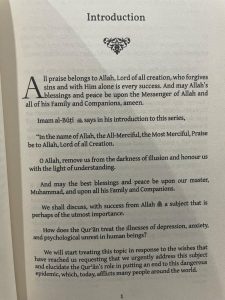
Depression & Anxiety
SKU:
111111
In a world plagued by depression and anxiety, “Depression and Anxiety: The Causes and Treatment According to the Qurän” explores these ailments from a unique perspective. Based on the teachings of Imam Muhammad Sa’eed Ramadän al-Büti, this groundbreaking book unveils hidden causes often overlooked within a secular paradigm.
Delving into different types of depression and anxiety linked to specific causes, it emphasizes the role of a strengthened relationship with Allah in finding healing and empowerment. This book offers spiritual enrichment, guiding readers to lessen their attachment to this world, purify their hearts and souls, and understand the purpose of their existence.
By drawing nearer to Allah and embracing the teachings of the Quran, readers gain the competence and strength to face life's challenges without succumbing to anxiety or depression. With insightful appendices and additional resources, “Depression and Anxiety: The Causes and Treatment According to the Quran” provides the tools for a deeper understanding, guiding individuals towards the emotional well-being and inner peace that comes from being close to one's Lord.
And with Allah alone is every success.
( From the publisher)
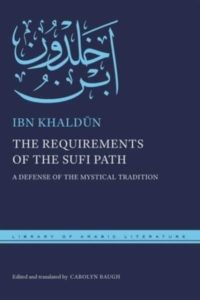
Ibn Khaldun on Sufism: Remedy for the Questioner in Search of Answers
"Ibn Khaldun on Sufism: Remedy for the Questioner in Search of Answers" is the first-ever English translation of Ibn Khaldun's treatise Shifa’ al-Sa’il li-Tahdhib al-Masa’il. In this work, Ibn Khaldun addresses a prevalent debate in fourteenth-century Andalusia regarding the necessity of a spiritual guide (shaykh) for the Sufi path. He examines whether reliance on written texts suffices for spiritual guidance or if direct mentorship is essential
The treatise delves into the nature of Sufism, its practices, and its role within Islamic spirituality. Ibn Khaldun, renowned for his contributions to sociology and historiography, applies his analytical acumen to assess the legitimacy and requirements of the Sufi tradition. His insights offer a nuanced understanding of Sufism's place in Islamic thought and practice
This translation by Yumna Ozer provides readers with access to Ibn Khaldun's perspectives on Sufism, shedding light on his views and the intellectual milieu of his time.
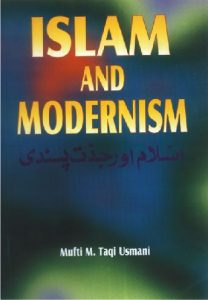
Islam and Modernism
Islam and Modernism is a critical examination of the relationship between Islamic principles and the concept of modernity. Mufti Muhammad Taqi Usmani addresses various Western ideologies and practices, analyzing their compatibility with Islamic teachings. He argues that while Islam is not opposed to progress, many aspects of Western modernism conflict with Islamic values. The book delves into topics such as the Industrial Revolution, scientific advancements, and the reinterpretation of Islamic law, emphasizing the importance of adhering to authentic Islamic teachings in the face of modern challenges. It serves as a guide for Muslims seeking to navigate the complexities of contemporary society without compromising their faith.
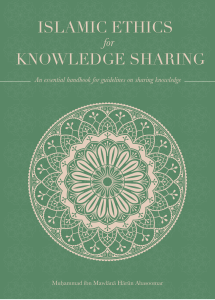
Islamic Ethics for Knowledge Sharing
In today's digital age, the rapid dissemination of information through platforms like WhatsApp, email, and social media has made knowledge sharing more accessible than ever. However, this ease of sharing comes with the responsibility of ensuring that the information shared is accurate and aligns with Islamic principles.
Islamic Ethics for Knowledge Sharing addresses this concern by outlining ten essential principles that guide Muslims in sharing knowledge responsibly. Authored by Mufti Muhammad ibn Harun Abasoomar, the book emphasizes the importance of authenticity, context, and the ethical implications of sharing information.
The book serves as a valuable resource for educators, students, and anyone engaged in the dissemination of knowledge, ensuring that their practices align with the ethical standards set forth in Islam.