Al-Ghazali on the Condemnation of Pride and Self-Admiration
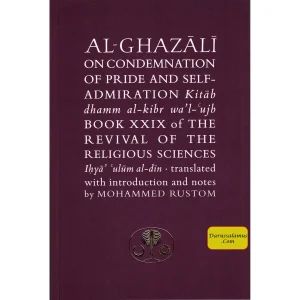
"Al-Ghazali on the Condemnation of Pride and Self-Admiration" is the 29th book in Imam al-Ghazali's monumental work, Ihya’ Ulum al-Din (The Revival of the Religious Sciences). In this treatise, al-Ghazali delves into two fundamental spiritual ailments: pride (kibr) and self-admiration (ujb)
The book is divided into two parts:
-
Pride (Kibr): Al-Ghazali examines how pride is condemned in the Qur'an, its symptoms, outward manifestations, and seven causes, with self-admiration being the root cause. He emphasizes humility as the antidote and provides examples of true and false humility
-
Self-Admiration (Ujb): Al-Ghazali defines self-admiration, explores its inward manifestations, and discusses how it leads to negligence, delusion, and complacency. He offers remedies for each of these conditions
The translator, Mohammed Rustom, is an Associate Professor of Islamic Studies at Carleton University and has provided a lucid and accessible English rendition of al-Ghazali's original Arabic text. His translation is noted for its scholarly accuracy and readability, making this profound work accessible to a wider audience.
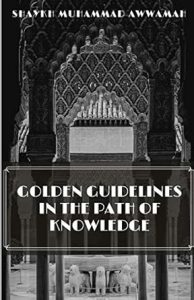
Golden Guidelines in the Path of Knowledge
Golden Guidelines in the Path of Knowledge is a concise yet profound booklet that encapsulates the essential advice and wisdom of Shaykh Muhammad Awwamah, a renowned Syrian scholar and muhaddith. Originally delivered as a lecture, this work addresses the etiquettes, responsibilities, and spiritual dimensions of seeking Islamic knowledge. It serves as a guide for students, scholars, and anyone committed to the pursuit of sacred knowledge, emphasizing sincerity, humility, and adherence to the Sunnah.
The book is appreciated for its clarity and depth, offering guidance that is both practical and spiritually enriching. It's particularly beneficial for those embarking on the journey of Islamic studies, providing a roadmap to navigate the challenges and responsibilities that come with the pursuit of knowledge.
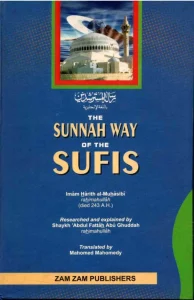
The Sunnah Way of the Sufis
The Sunnah Way of the Sufis is a translation of Imam al-Muhasibi's seminal work, Risalah al-Mustarshidin. This treatise offers profound insights into the spiritual journey of a believer, emphasizing the importance of adhering strictly to the Sunnah (traditions) of the Prophet Muhammad (peace be upon him).
Shaykh Abd al-Fattah Abu Ghuddah's meticulous research and commentary enrich the text, providing context and clarity to Imam al-Muhasibi's teachings. The book delves into various aspects of Islamic spirituality, including self-purification, sincerity in worship, and the ethical conduct expected of a Muslim.
Through narratives, anecdotes, and guidance from the pious predecessors, this work serves as a manual for those seeking to align their lives with the prophetic model, embodying the true essence of Sufism rooted in the Qur'an and Sunnah.

Tuhfatush Shabaab
Tuhfatush Shabaab is meticulously crafted to guide Muslim youth through the challenges they face during their formative years. The booklet is divided into two main parts:
-
Part 1: Focuses on foundational Islamic practices and personal development, covering topics such as:
-
Puberty (Buloogh)
-
Cleanliness, Istinjaa (personal hygiene), Circumcision, and Janaabat (state of impurity)
-
Hair grooming, Clothing, and the use of Perfume
-
Physical Fitness and Permissible Sports
-
Prohibitions like Music, Smoking, Intoxicants, and Gambling
-
-
Part 2: Addresses contemporary issues and moral guidance, including:
-
Evil glances, Photography, Television, and Cell Phones
-
Pornography, Masturbation, Zina (fornication), Dating, and Suicide
-
Conduct and Duties at Home
-
Mashwara (consultation), Employment
-
Qualities of a Successful Muslim Youth
-
The content is designed to be informative yet sensitive, ensuring that topics of a delicate nature are approached with the utmost care and respect.
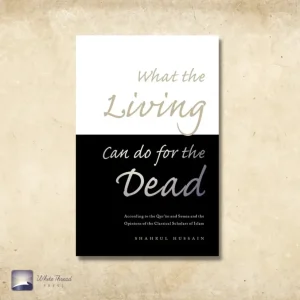
What the Living Can Do for the Dead: According to the Qur’an and Sunna and the Opinions of the Classical Scholars of Islam
This comprehensive yet accessible manual guides readers through the Islamic rites and responsibilities following a person's death. Drawing from the Qur’an, Sunnah, and classical scholarship across all four Sunni schools of thought, it addresses;
-
Procedures upon death
-
Rites of preparing the body for burial
-
Bathing and shrouding the deceased
-
Funeral prayer procedures
-
Etiquette for visiting graves
-
Posthumous donations of reward (isal al-thawab)
-
Atonements, expiations, and settling debts on behalf of the deceased
The book answers practical questions such as the permissibility of transporting a body abroad for burial and placing headstones on graves.