The Muwatta Of Imam Muhammed (soft cover)

R280.00
"The unqualified truth is that all of the Muwatta is sahih without any exception!" Hafiz Ibn Hajar al-Asqalani This quote from one of the greatest authorities on hadith of all time is sufficient recommendation. The version of the Muwatta narrated by Imam Muhammad ibn al-Hasan al-Shaybani, one of the two leading pupils of Imam Abu Hanifah, directly from his three years of study with Imam Malik will be of particular interest not only to students of Hanafi fiqh, but also to students of hadith in general. The Muwatta' Imam Malik composed the Muwatta over a period of forty years to represent the well-trodden path of the people of Madina. Its name also means that it is the book that is many times agreed upon about whose contents the people of Madinah were unanimously agreed and that is made easy and facilitated . Its high standing is such that people of every school of fiqh and all of the imams of hadith scholarship agree upon its authenticity. Imam Shafi i said, There is not on the face of the earth & after the Book of Allah a book & which is more sahih than the book of Malik. Shah Wali Allah Dihlawi (1114-1176 AH) said, My breast expanded and I became certain that the Muwatta is the most sahih book to be found on the earth after the Book of Allah. Imam Malik Imam Malik is the imam of the imams, the leader of the people of knowledge of Madinah, Malik ibn Anas ibn Malik ibn Abi Amir al-Asbahi al-Madani, born in 94 AH, 95 AH or even 99 AH. He was called the Man of Knowledge of madinah. People of knowledge understood that it was him the Prophet saw indicated in the hadith from Abu Hurayra, People will soon beat the livers of their camels [in travelling in search of knowledge] but they will not find a man of knowledge more knowledgeable than the man of knowledge of Madinah. Among his pupils were the Imams Sufyan ath-Thawri, Sa id ibn Mansur, Abdullah ibn al-Mubarak, Abd ar-Rahman al-Awza i who was older than him, Layth ibn Sa d who was one of his peers, Imam ash-Shafi i, Muhammad ibn al-Hasan al-Shaybani, the Malikis Abd ar-Rahman ibn al-Qasim, Yahya ibn Yahya al-Laythi, Ibn Wahb, and Dhu n-Nun al-Misri. He died in 179 AH on the morning of the 14th of Rabi al-Awwal. Imam Muhammad al-Shaybani He is Abu Abdullah Muhammad ibn al-Hasan ibn Farqad al-Shaybani. Muhammad was born in Wasit in 132 AH, and grew up in Kufa. He was a pupil of Abu Hanifah. Imam Shafi i said, I have not seen anyone more eloquent than him. I used to think when I saw him reciting the Qur an that it was as if the Qur an had been revealed in his language. He also said, I have not seen anyone more itelligent than Muhammad ibn al-Hasan. Adh-Dhahabi said, He narrated from Malik ibn Anas and others, and he was one of the great oceans of knowledge and fiqh, and he was strong [when he narrated] from Malik. Muhammad said, I stood at Malik s door for three years and I heard [the Muwatta ] from him [with] more than seven hundred hadith. He died in Ray in 189 AH. Translated by Mohammed Abdurahman, Abdassamad Clark and Dr Asadullah Yate (The science of (Jarah) Invalidation and Authentication (Tadil). Editors Mufti Zubair Ismail Bayat, Uthman Ibrahim Morrisson and Sister Safira Batha.

The Muwwata Of Imaam Muhammed (Hard Cover)
R950.00
"The unqualified truth is that all of the Muwatta is sahih without any exception!" Hafiz Ibn Hajar al-Asqalani This quote from one of the greatest authorities on hadith of all time is sufficient recommendation. The version of the Muwatta narrated by Imam Muhammad ibn al-Hasan al-Shaybani, one of the two leading pupils of Imam Abu Hanifah, directly from his three years of study with Imam Malik will be of particular interest not only to students of Hanafi fiqh, but also to students of hadith in general. The Muwatta' Imam Malik composed the Muwatta over a period of forty years to represent the well-trodden path of the people of Madina. Its name also means that it is the book that is many times agreed upon about whose contents the people of Madinah were unanimously agreed and that is made easy and facilitated . Its high standing is such that people of every school of fiqh and all of the imams of hadith scholarship agree upon its authenticity. Imam Shafi i said, There is not on the face of the earth & after the Book of Allah a book & which is more sahih than the book of Malik. Shah Wali Allah Dihlawi (1114-1176 AH) said, My breast expanded and I became certain that the Muwatta is the most sahih book to be found on the earth after the Book of Allah. Imam Malik Imam Malik is the imam of the imams, the leader of the people of knowledge of Madinah, Malik ibn Anas ibn Malik ibn Abi Amir al-Asbahi al-Madani, born in 94 AH, 95 AH or even 99 AH. He was called the Man of Knowledge of madinah. People of knowledge understood that it was him the Prophet saw indicated in the hadith from Abu Hurayra, People will soon beat the livers of their camels [in travelling in search of knowledge] but they will not find a man of knowledge more knowledgeable than the man of knowledge of Madinah. Among his pupils were the Imams Sufyan ath-Thawri, Sa id ibn Mansur, Abdullah ibn al-Mubarak, Abd ar-Rahman al-Awza i who was older than him, Layth ibn Sa d who was one of his peers, Imam ash-Shafi i, Muhammad ibn al-Hasan al-Shaybani, the Malikis Abd ar-Rahman ibn al-Qasim, Yahya ibn Yahya al-Laythi, Ibn Wahb, and Dhu n-Nun al-Misri. He died in 179 AH on the morning of the 14th of Rabi al-Awwal. Imam Muhammad al-Shaybani He is Abu Abdullah Muhammad ibn al-Hasan ibn Farqad al-Shaybani. Muhammad was born in Wasit in 132 AH, and grew up in Kufa. He was a pupil of Abu Hanifah. Imam Shafi i said, I have not seen anyone more eloquent than him. I used to think when I saw him reciting the Qur an that it was as if the Qur an had been revealed in his language. He also said, I have not seen anyone more itelligent than Muhammad ibn al-Hasan. Adh-Dhahabi said, He narrated from Malik ibn Anas and others, and he was one of the great oceans of knowledge and fiqh, and he was strong [when he narrated] from Malik. Muhammad said, I stood at Malik s door for three years and I heard [the Muwatta ] from him [with] more than seven hundred hadith. He died in Ray in 189 AH. Translated by Mohammed Abdurahman, Abdassamad Clark and Dr Asadullah Yate (The science of (Jarah) Invalidation and Authentication (Tadil). Editors Mufti Zubair Ismail Bayat, Uthman Ibrahim Morrisson and Sister Safira Batha.

The Palace with Two Mistakes

R40.00
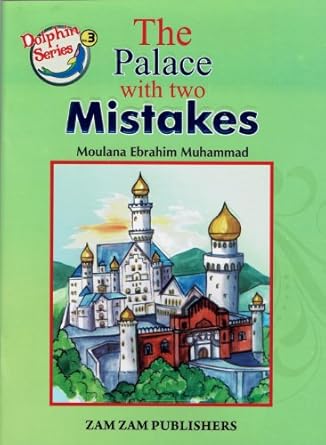
"The Palace with Two Mistakes" is an engaging children's story that combines adventure with moral lessons. The narrative revolves around a palace that contains two peculiar and amusing mistakes. As the characters embark on a quest to identify and rectify these errors, young readers are introduced to themes of critical thinking, problem-solving, and teamwork. The book is part of the Dolphin Series, which aims to foster character development and ethical values in children through captivating storytelling.

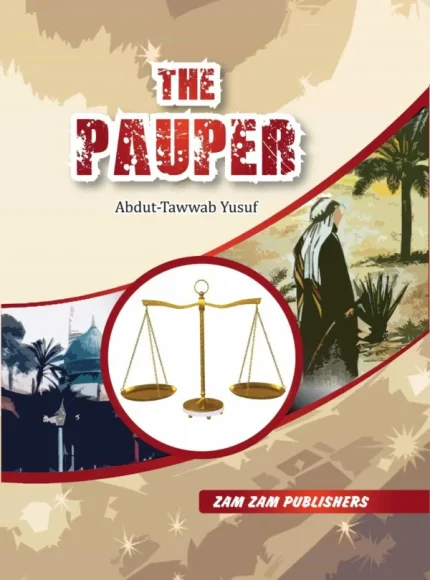
The Pauper

R35.00
"The Pauper" is a heartwarming children's story that imparts valuable lessons on hope, resilience, and the importance of kindness. The narrative follows a young boy who, despite his impoverished circumstances, remains optimistic and compassionate. Through his journey, readers learn about the virtues of patience, gratitude, and the significance of helping others, regardless of one's own situation. The book is designed to inspire young minds to cultivate a positive outlook and empathetic behavior.

The Principles And Codes Of Law In Hanafi Fiqh

R60.00
This is a wonderfully detailed summary of Hakim al-Ummah Mawlana Ashraf ‘Ali Thanawi sayings and writings on the Principles of Islamic Law according to the Hanafi school of Jurisprudence.
Translated by Mufti Afzal Hossen Elias
 

The Prisoners of Malta

R90.00

The Prisoners of Malta is an English translation of the Urdu book Asira’n-e-Malta by Maulana Syed Mohammad Mian. This poignant narrative chronicles the lives and sacrifices of two prominent Muslim freedom fighters during British colonial rule in India.

  • Maulana Mahmudul Hasan: Known as 'Shaykhul Hind', he was a leading Islamic scholar and a key figure in the Indian independence movement.

  • Maulana Husain Ahmad Madani: Referred to as 'Shaykhul Islam', he was a distinguished Islamic scholar and a prominent nationalist leader.

The book delves into their imprisonment in Malta by the British authorities, highlighting their unwavering commitment to the cause of Indian independence and their enduring legacy in the struggle against colonial oppression.
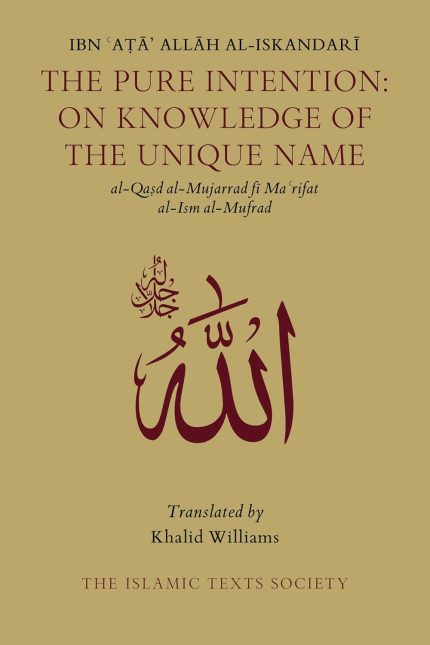
The Pure Intention: On Knowledge of the Unique Name

R395.00

The Pure Intention: On Knowledge of the Unique Name (al-Qasd al-Mujarrad fi Ma‘rifat al-Ism al-Mufrad) is a profound treatise by the esteemed Egyptian Sufi master Ibn Ata Allah al-Iskandari (d. 709 AH/1309 CE). This work delves into the doctrine of Divine Oneness (tawhid) through an exploration of the Unique Name of Allah

The treatise is divided into two parts:

  1. Part One: Examines the Name 'Allah' from three perspectives—linguistic, philosophical, and mystical. It elucidates the significance of this Name and its encompassing of all other divine attributes.

  2. Part Two: Focuses on the practice of invoking the Name 'Allah'. Ibn Ata Allah discusses the virtues of such invocation and its transformative power in purifying the heart and fostering a deep connection with the Divine.

This work is essential for those seeking to understand the metaphysical and spiritual dimensions of the Divine Name and its role in the Sufi path.

The Qur’aan And The Prophet In The Writings Of Shaykh Al-Alawi

R450.00
The Qur’an and the Prophet in the Writings of Shaykh Ahmad al-‘Alawi presents for the first time in English all the collected works of the Shaykh on the two guiding principles of Islam. The Shaykh al-Alawi had embarked on a full commentary on the Qur’an, but only completed an introduction explaining his approach to Qur’anic exegesis and commentaries on three chapters. All these pieces are included here with an additional appendix of answers to questions that the Shaykh’s disciples had put to him on the Qur’an. The Qur’anic commentaries are followed by a treatise on the meaning of the invocation of blessings on the Prophet. This extremely profound treatise delves into the spiritual nature of the Prophet explaining how he represents both the summit of spiritual attainment and the example for all those seeking enlightenment. Also included in the appendix are answers that the Shaykh gave his disciples on sayings of the Prophet.

Khalid Williams specialises in translation from Arabic, with a particular focus on Islamic Studies and Sufism.

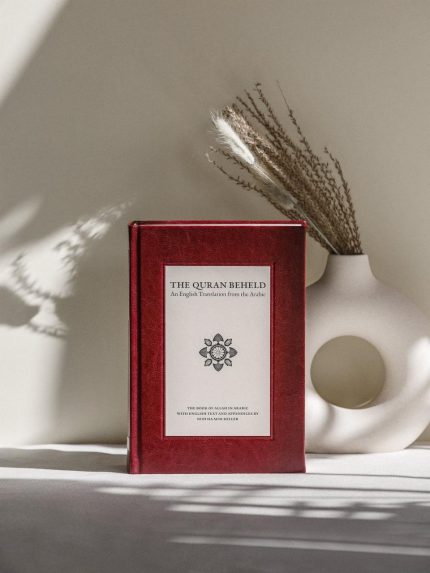
The Quraan Beheld

R1,650.00
A modern English translation grounded in classical tafsīr, praised for retaining the Qur’ān’s rhythm and nuance while correcting earlier mistranslations—ideal for both study and reflection

The Quran beheld

Original price was: R1,790.00.Current price is: R1,590.00.
  This work solves an enigma that has puzzled many readers first coming to Islam through English translations of the Quran. The Arabic original stunned hearers in their own language with its unutterable evocative power, incisive arguments, the sharp relief of its contrasts, striking imagery, and precise detail. Most translations stun few. They seem somehow out of focus, the thread of discourse is often inexplicably lost, and they are seldom moving or powerful. The present work is called The Quran Beheld because its translator found that the classical Islamic curriculum for learning the Quranic sciences lifts the veil from the divine masterpiece like stepping from a dark and silent house into a lively spring day outside. Everything changes. A preface outlines the Quran’s continued relevance for readers today. An introduction describes the time-honored Quranic teaching paradigm and interpretive method of talaqqi, ‘one-on-one instruction,’ by which the translator studied the Quran with a traditional scholar in Jordan during the fifteen years of the work. The two went word by word through the Quran together twice, in the light of its greatest exegetes, the Imams of Quranic exegesis or tafsir, which literally means ‘uncovering’—men such as Tabari, Zamakhshari, Abu Su‘ud, Ibn ‘Ashur, Biqa‘i, Razi, Alusi, and others. The introduction explains seven key areas of meaning, ubiquitous throughout the Quran, not incorporated by any previous translation. Such gaps have prevented serious apprehension of many of the themes, logic, and arguments that carry the message of the Quran’s suras forward. Readers may judge for themselves how much this matters. The translation is preceded by a section setting forth the main themes of the Quran, sura by sura. A biographical section shows the lives and works of the Imams mentioned. The work concludes with a 61 page index to help readers find the divine wisdom of Allah's immortal message to Man. This edition is made to be one's companion. Readers will see the Quran in a completely new format, offering easy readability. As the author states in the preface: The Quran is the most read, reread, and memorized book on earth, for the very good reason that it explains the secret of human existence and answers the questions that no human being can answer. “Take it in hand, depend on it, and see if things do not become a great deal clearer, and life a great deal better. It works.” [The above description is from the publisher]

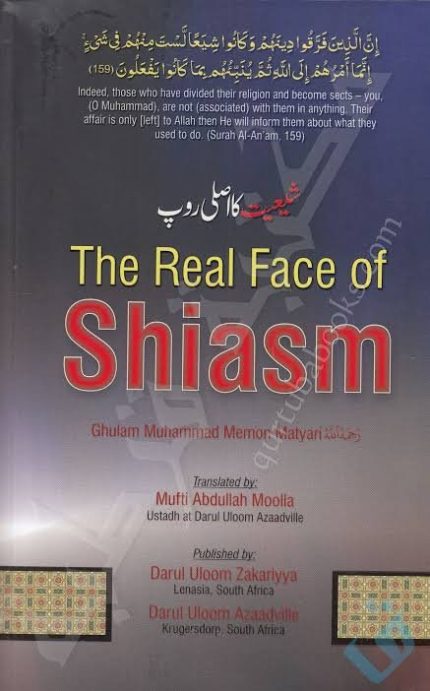
The Real Face Of Shiasim

R120.00
"The Real Face of Shiaism" by Darul Uloom Azaadville offers a critical examination of Shi’a beliefs and practices from a Sunni perspective. The book aims to highlight theological differences between Sunni Islam and Shiism, presenting arguments based on Quranic verses, Hadith, and scholarly interpretations. Written in a straightforward and accessible style, it seeks to educate readers about the key distinctions and clarify misconceptions within the Muslim community.

The Real Treatment for Droughts and Plagues

R25.00

In this concise treatise, Maulana Thanvi (RA) explores the Islamic perspective on natural disasters, offering guidance rooted in the Qur'an and Sunnah. He underscores that such events are tests from Allah, meant to purify believers and draw them closer to Him. The book provides practical advice on maintaining faith, engaging in supplication, and upholding ethical conduct during times of hardship.