


Al-Ghazali on the Condemnation of Pride and Self-Admiration
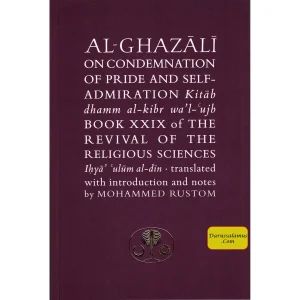
"Al-Ghazali on the Condemnation of Pride and Self-Admiration" is the 29th book in Imam al-Ghazali's monumental work, Ihya’ Ulum al-Din (The Revival of the Religious Sciences). In this treatise, al-Ghazali delves into two fundamental spiritual ailments: pride (kibr) and self-admiration (ujb)
The book is divided into two parts:
-
Pride (Kibr): Al-Ghazali examines how pride is condemned in the Qur'an, its symptoms, outward manifestations, and seven causes, with self-admiration being the root cause. He emphasizes humility as the antidote and provides examples of true and false humility
-
Self-Admiration (Ujb): Al-Ghazali defines self-admiration, explores its inward manifestations, and discusses how it leads to negligence, delusion, and complacency. He offers remedies for each of these conditions
The translator, Mohammed Rustom, is an Associate Professor of Islamic Studies at Carleton University and has provided a lucid and accessible English rendition of al-Ghazali's original Arabic text. His translation is noted for its scholarly accuracy and readability, making this profound work accessible to a wider audience.
Patience and Gratitude
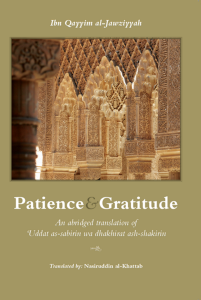
"Patience and Gratitude" is an abridged translation of Ibn Qayyim al-Jawziyyah's classical work Uddat as-Sabirin wa Dhakhirat ash-Shakirin. In this concise volume, the author delves into two fundamental virtues in Islam: sabr (patience) and shukr (gratitude). He explores their definitions, categories, and significance, illustrating how they contribute to spiritual growth and resilience. The book provides practical insights on cultivating these virtues in daily life, emphasizing their role in achieving inner peace and closeness to Allah. Through references to the Qur'an, Hadith, and the practices of the Sahabah, Ibn Qayyim offers timeless guidance for believers seeking to navigate life's challenges with steadfastness and thankfulness.
The Book of Wisdoms
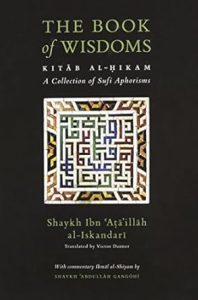
This classic Sufi text is a collection of 264 aphorisms that delve into the spiritual journey of the soul, emphasizing themes like divine wisdom, self-purification, and the relationship between the seeker and the Divine. The aphorisms are concise yet profound, offering guidance for those on the spiritual path.
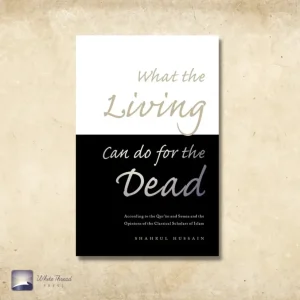
What the Living Can Do for the Dead: According to the Qur’an and Sunna and the Opinions of the Classical Scholars of Islam
This comprehensive yet accessible manual guides readers through the Islamic rites and responsibilities following a person's death. Drawing from the Qur’an, Sunnah, and classical scholarship across all four Sunni schools of thought, it addresses;
-
Procedures upon death
-
Rites of preparing the body for burial
-
Bathing and shrouding the deceased
-
Funeral prayer procedures
-
Etiquette for visiting graves
-
Posthumous donations of reward (isal al-thawab)
-
Atonements, expiations, and settling debts on behalf of the deceased
The book answers practical questions such as the permissibility of transporting a body abroad for burial and placing headstones on graves.
Yearning for the Hereafter
"Yearning for the Hereafter" is a profound work by Maulana Ashraf Ali Thanwi (rahimahullah) that delves into the Islamic perspective on the afterlife. The book addresses topics such as the Day of Judgment, the experiences of the soul after death, and the eternal abode of Paradise or Hell. Through this work, the author aims to instill a deep sense of longing and preparation for the Hereafter, encouraging readers to lead a life that aligns with Islamic teachings and to remain mindful of their actions in this world.