


Boundaries of Differences
Boundaries of Differences is a thought-provoking book that delves into the concept of unity amidst diversity in Islam. Authored by Mufti Muhammad Farooq Sahab, the book sheds light on embracing differences within the Muslim community, emphasizing the importance of mutual respect and understanding. It explores how acknowledging and respecting diverse opinions and practices can strengthen the bonds of brotherhood and foster a harmonious society.

Golden Guidelines in the Path of Knowledge
Golden Guidelines in the Path of Knowledge is a concise yet profound booklet that encapsulates the essential advice and wisdom of Shaykh Muhammad Awwamah, a renowned Syrian scholar and muhaddith. Originally delivered as a lecture, this work addresses the etiquettes, responsibilities, and spiritual dimensions of seeking Islamic knowledge. It serves as a guide for students, scholars, and anyone committed to the pursuit of sacred knowledge, emphasizing sincerity, humility, and adherence to the Sunnah.
The book is appreciated for its clarity and depth, offering guidance that is both practical and spiritually enriching. It's particularly beneficial for those embarking on the journey of Islamic studies, providing a roadmap to navigate the challenges and responsibilities that come with the pursuit of knowledge.

Sea Without Shore: A Manual of the Sufi Path
"Ibn Khaldun on Sufism: Remedy for the Questioner in Search of Answers" is the first-ever English translation of Ibn Khaldun's treatise Shifa’ al-Sa’il li-Tahdhib al-Masa’il. In this work, Ibn Khaldun addresses a prevalent debate in fourteenth-century Andalusia regarding the necessity of a spiritual guide (shaykh) for the Sufi path. He examines whether reliance on written texts suffices for spiritual guidance or if direct mentorship is essential.
The treatise delves into the nature of Sufism, its practices, and its role within Islamic spirituality. Ibn Khaldun, renowned for his contributions to sociology and historiography, applies his analytical acumen to assess the legitimacy and requirements of the Sufi tradition. His insights offer a nuanced understanding of Sufism's place in Islamic thought and practice
This translation by Yumna Ozer provides readers with access to Ibn Khaldun's perspectives on Sufism, shedding light on his views and the intellectual milieu of his time.
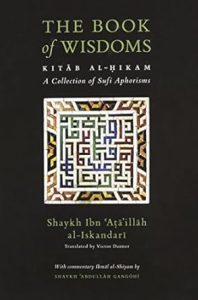
The Book of Wisdoms
This classic Sufi text is a collection of 264 aphorisms that delve into the spiritual journey of the soul, emphasizing themes like divine wisdom, self-purification, and the relationship between the seeker and the Divine. The aphorisms are concise yet profound, offering guidance for those on the spiritual path.

The Importance, Necessity, and Virtues of the Sunnah
The Importance, Necessity, and Virtues of the Sunnah is a profound work that delves into the significance of adhering to the Sunnah of the Prophet Muhammad ﷺ. Compiled by Hazrat Maulana Shah Abdul Hamid Is'haq (DB), the book emphasizes that following the Sunnah is essential for the spiritual and moral upliftment of an individual and the community at large. It outlines how the Sunnah serves as a practical guide to living a life in accordance with Islamic principles, offering clarity and direction in various aspects of daily life.