

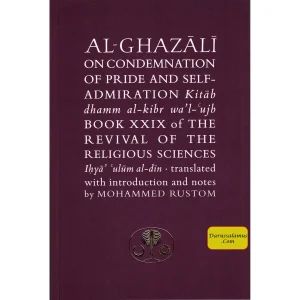
Al-Ghazali on the Condemnation of Pride and Self-Admiration
"Al-Ghazali on the Condemnation of Pride and Self-Admiration" is the 29th book in Imam al-Ghazali's monumental work, Ihya’ Ulum al-Din (The Revival of the Religious Sciences). In this treatise, al-Ghazali delves into two fundamental spiritual ailments: pride (kibr) and self-admiration (ujb)
The book is divided into two parts:
-
Pride (Kibr): Al-Ghazali examines how pride is condemned in the Qur'an, its symptoms, outward manifestations, and seven causes, with self-admiration being the root cause. He emphasizes humility as the antidote and provides examples of true and false humility
-
Self-Admiration (Ujb): Al-Ghazali defines self-admiration, explores its inward manifestations, and discusses how it leads to negligence, delusion, and complacency. He offers remedies for each of these conditions
The translator, Mohammed Rustom, is an Associate Professor of Islamic Studies at Carleton University and has provided a lucid and accessible English rendition of al-Ghazali's original Arabic text. His translation is noted for its scholarly accuracy and readability, making this profound work accessible to a wider audience.
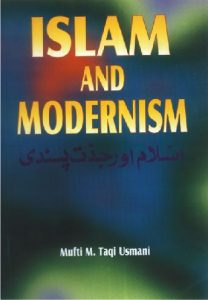
Islam and Modernism
Islam and Modernism is a critical examination of the relationship between Islamic principles and the concept of modernity. Mufti Muhammad Taqi Usmani addresses various Western ideologies and practices, analyzing their compatibility with Islamic teachings. He argues that while Islam is not opposed to progress, many aspects of Western modernism conflict with Islamic values. The book delves into topics such as the Industrial Revolution, scientific advancements, and the reinterpretation of Islamic law, emphasizing the importance of adhering to authentic Islamic teachings in the face of modern challenges. It serves as a guide for Muslims seeking to navigate the complexities of contemporary society without compromising their faith.
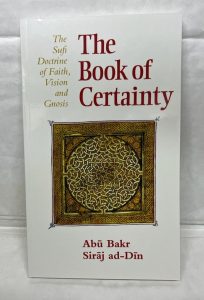
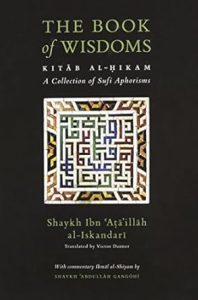
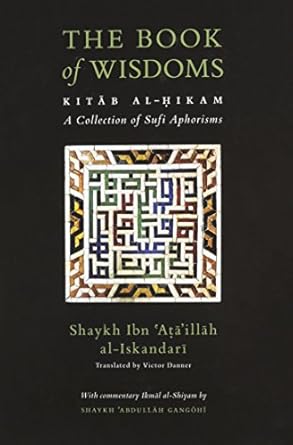
The Book of Wisdoms
This classic Sufi text is a collection of 264 aphorisms that delve into the spiritual journey of the soul, emphasizing themes like divine wisdom, self-purification, and the relationship between the seeker and the Divine. The aphorisms are concise yet profound, offering guidance for those on the spiritual path.
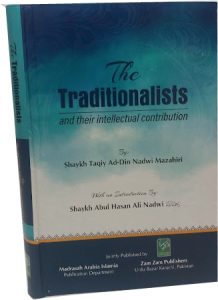
The Traditionalists and Their Intellectual Contribution
The book offers detailed biographies and analyses of the intellectual contributions of eleven eminent scholars of Hadith:albalaghbooks.com
-
Imam Abu Hanifah
-
Imam Malik
-
Imam Shafi'i
-
Imam Ahmad ibn Hanbal
-
Imam Bukhari
-
Imam Muslim
-
Imam Abu Dawood
-
Imam Tirmidhi
-
Imam Nasa'i
-
Imam Ibn Majah
-
Imam Tahawi
Additionally, it explores the historical development of Hadith compilation, providing insights into the methodologies and challenges faced by these scholars in preserving the sayings and actions of the Prophet Muhammad ﷺ.