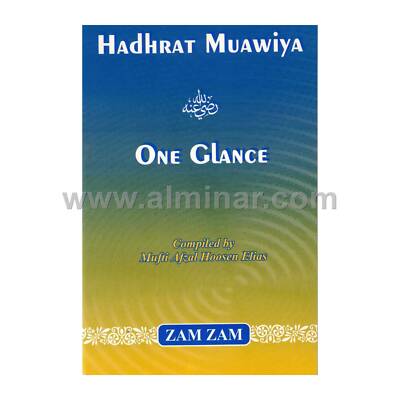
Hadhrat Muawiya: One Glance
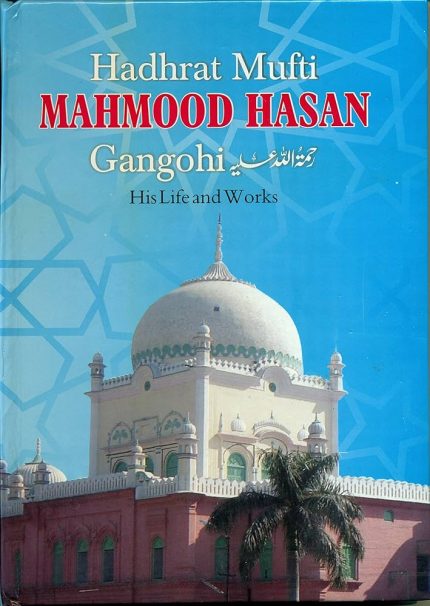
Hadhrat Mufti Mahmood Hasan Gangohi: His Life and Works
This comprehensive biography delves into the life of Hadhrat Mufti Mahmood Hasan Gangohi (رحمة الله عليه), a distinguished Islamic scholar and spiritual luminary. Born in Gangoh, India, in July 1907, he was a prominent figure in the Deobandi tradition and served as the Head Mufti at Darul Uloom Deoband and Mazahir Uloom, Saharanpur. His scholarly contributions include the compilation of Fataawa Mahmoodiyah, a 32-volume reference work on Hanafi jurisprudence.
Mufti Sahib was also a senior disciple of Shaykh al-Hadith Maulana Zakariyyah Kandhalwi (رحمة الله عليه), and his life was marked by piety, humility, and dedication to Islamic scholarship. He passed away on September 2, 1996, in South Africa, where he was buried in Elsburg.
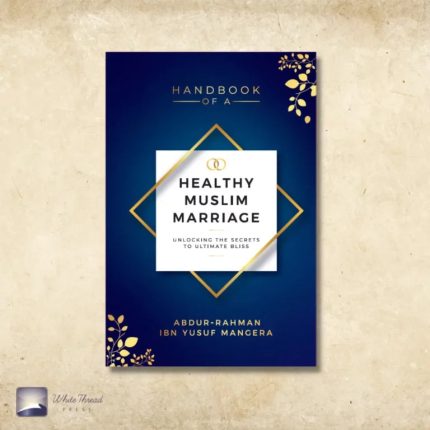
Handbook of a Healthy Muslim Marriage

Happily Ever After – A Muslimah’s Guide to a Blissful Marriage
Happily Ever After is a comprehensive guide aimed at Muslim women, offering practical advice and Islamic perspectives on building and maintaining a harmonious marriage. The book is structured into four main chapters:
-
A to Z of Marriage: A foundational guide covering various aspects of marriage from an Islamic viewpoint.
-
Articles: In-depth discussions on specific marriage-related topics.
-
Stories: Real-life experiences and lessons from the lives of pious women.
-
Q&A: Frequently asked questions addressing common marital concerns.
The content is designed to serve as a practical roadmap, or "GPS," guiding couples through the journey of marriage with the ultimate goal of achieving tranquility and closeness to Allah.


Hayatus Sahabah (The Lives of the Sahabah) – 3 Volume Set
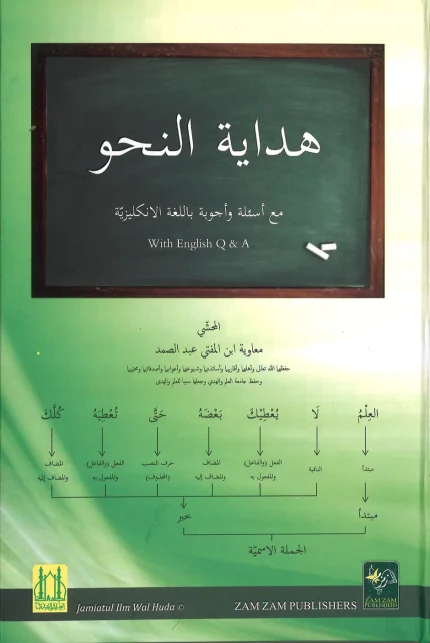
Hidayatun Nahw with English Q&A

Hope for the Muslim Alcoholic: Twelve Step Recovery in the Light of Islam
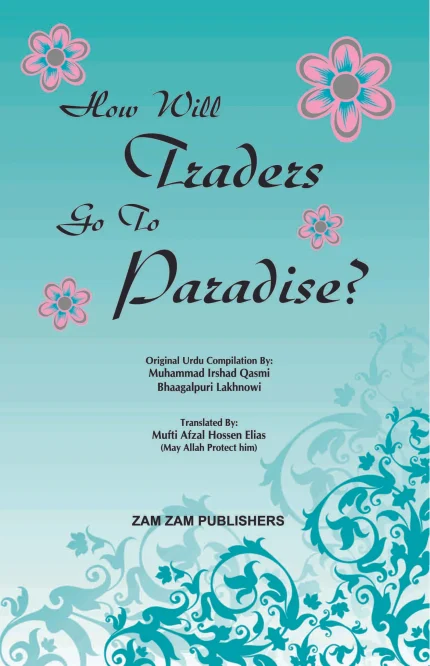
How Will Traders Go to Paradise?
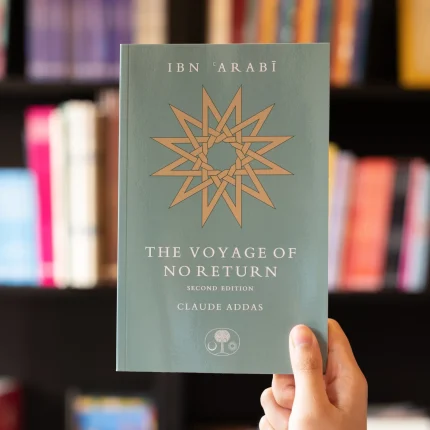
Ibn Arabi: The Voyage of No Return
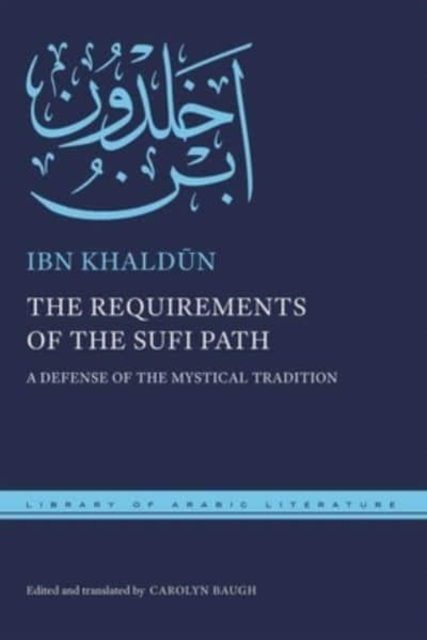
Ibn Khaldun on Sufism: Remedy for the Questioner in Search of Answers
"Ibn Khaldun on Sufism: Remedy for the Questioner in Search of Answers" is the first-ever English translation of Ibn Khaldun's treatise Shifa’ al-Sa’il li-Tahdhib al-Masa’il. In this work, Ibn Khaldun addresses a prevalent debate in fourteenth-century Andalusia regarding the necessity of a spiritual guide (shaykh) for the Sufi path. He examines whether reliance on written texts suffices for spiritual guidance or if direct mentorship is essential
The treatise delves into the nature of Sufism, its practices, and its role within Islamic spirituality. Ibn Khaldun, renowned for his contributions to sociology and historiography, applies his analytical acumen to assess the legitimacy and requirements of the Sufi tradition. His insights offer a nuanced understanding of Sufism's place in Islamic thought and practice
This translation by Yumna Ozer provides readers with access to Ibn Khaldun's perspectives on Sufism, shedding light on his views and the intellectual milieu of his time.