



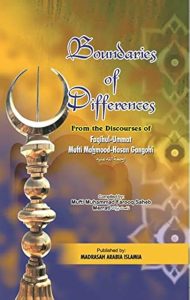
Boundaries of Differences
Boundaries of Differences is a thought-provoking book that delves into the concept of unity amidst diversity in Islam. Authored by Mufti Muhammad Farooq Sahab, the book sheds light on embracing differences within the Muslim community, emphasizing the importance of mutual respect and understanding. It explores how acknowledging and respecting diverse opinions and practices can strengthen the bonds of brotherhood and foster a harmonious society.

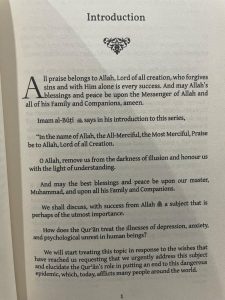
Depression & Anxiety
SKU:
111111
In a world plagued by depression and anxiety, “Depression and Anxiety: The Causes and Treatment According to the Qurän” explores these ailments from a unique perspective. Based on the teachings of Imam Muhammad Sa’eed Ramadän al-Büti, this groundbreaking book unveils hidden causes often overlooked within a secular paradigm.
Delving into different types of depression and anxiety linked to specific causes, it emphasizes the role of a strengthened relationship with Allah in finding healing and empowerment. This book offers spiritual enrichment, guiding readers to lessen their attachment to this world, purify their hearts and souls, and understand the purpose of their existence.
By drawing nearer to Allah and embracing the teachings of the Quran, readers gain the competence and strength to face life's challenges without succumbing to anxiety or depression. With insightful appendices and additional resources, “Depression and Anxiety: The Causes and Treatment According to the Quran” provides the tools for a deeper understanding, guiding individuals towards the emotional well-being and inner peace that comes from being close to one's Lord.
And with Allah alone is every success.
( From the publisher)

The Book of Wisdoms
This classic Sufi text is a collection of 264 aphorisms that delve into the spiritual journey of the soul, emphasizing themes like divine wisdom, self-purification, and the relationship between the seeker and the Divine. The aphorisms are concise yet profound, offering guidance for those on the spiritual path.
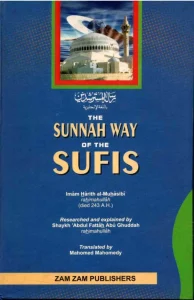
The Sunnah Way of the Sufis
The Sunnah Way of the Sufis is a translation of Imam al-Muhasibi's seminal work, Risalah al-Mustarshidin. This treatise offers profound insights into the spiritual journey of a believer, emphasizing the importance of adhering strictly to the Sunnah (traditions) of the Prophet Muhammad (peace be upon him).
Shaykh Abd al-Fattah Abu Ghuddah's meticulous research and commentary enrich the text, providing context and clarity to Imam al-Muhasibi's teachings. The book delves into various aspects of Islamic spirituality, including self-purification, sincerity in worship, and the ethical conduct expected of a Muslim.
Through narratives, anecdotes, and guidance from the pious predecessors, this work serves as a manual for those seeking to align their lives with the prophetic model, embodying the true essence of Sufism rooted in the Qur'an and Sunnah.

The Traditionalists and Their Intellectual Contribution
The book offers detailed biographies and analyses of the intellectual contributions of eleven eminent scholars of Hadith:albalaghbooks.com
-
Imam Abu Hanifah
-
Imam Malik
-
Imam Shafi'i
-
Imam Ahmad ibn Hanbal
-
Imam Bukhari
-
Imam Muslim
-
Imam Abu Dawood
-
Imam Tirmidhi
-
Imam Nasa'i
-
Imam Ibn Majah
-
Imam Tahawi
Additionally, it explores the historical development of Hadith compilation, providing insights into the methodologies and challenges faced by these scholars in preserving the sayings and actions of the Prophet Muhammad ﷺ.