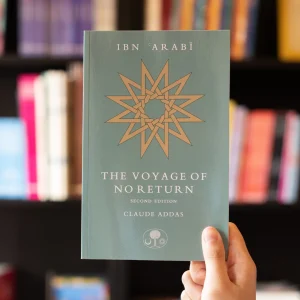
Ibn Arabi: The Voyage of No Return
"Ibn Arabi: The Voyage of No Return" by Claude Addas is a concise and insightful introduction to the life and thought of Ibn Arabi, one of the most influential Sufi mystics. The book traces the major events of Ibn Arabi's life, including his conversion to Sufism, his extensive travels across Andalusia, the Maghreb, and the Middle East, and his encounters with various saints and scholars of his time. Addas delves into Ibn Arabi's profound spiritual experiences and his contributions to Sufi philosophy, particularly his doctrines on prophethood, sainthood, the 'unicity of Being', and the 'imaginal world'. The second edition of the book includes a new preface and an updated bibliography, providing readers with a comprehensive understanding of Ibn Arabi's legacy and his enduring influence on Islamic mysticism.
Islam and Modernism
Islam and Modernism is a critical examination of the relationship between Islamic principles and the concept of modernity. Mufti Muhammad Taqi Usmani addresses various Western ideologies and practices, analyzing their compatibility with Islamic teachings. He argues that while Islam is not opposed to progress, many aspects of Western modernism conflict with Islamic values. The book delves into topics such as the Industrial Revolution, scientific advancements, and the reinterpretation of Islamic law, emphasizing the importance of adhering to authentic Islamic teachings in the face of modern challenges. It serves as a guide for Muslims seeking to navigate the complexities of contemporary society without compromising their faith.

The Importance, Necessity, and Virtues of the Sunnah
The Importance, Necessity, and Virtues of the Sunnah is a profound work that delves into the significance of adhering to the Sunnah of the Prophet Muhammad ﷺ. Compiled by Hazrat Maulana Shah Abdul Hamid Is'haq (DB), the book emphasizes that following the Sunnah is essential for the spiritual and moral upliftment of an individual and the community at large. It outlines how the Sunnah serves as a practical guide to living a life in accordance with Islamic principles, offering clarity and direction in various aspects of daily life.
The Sunnah Way of the Sufis
The Sunnah Way of the Sufis is a translation of Imam al-Muhasibi's seminal work, Risalah al-Mustarshidin. This treatise offers profound insights into the spiritual journey of a believer, emphasizing the importance of adhering strictly to the Sunnah (traditions) of the Prophet Muhammad (peace be upon him).
Shaykh Abd al-Fattah Abu Ghuddah's meticulous research and commentary enrich the text, providing context and clarity to Imam al-Muhasibi's teachings. The book delves into various aspects of Islamic spirituality, including self-purification, sincerity in worship, and the ethical conduct expected of a Muslim.
Through narratives, anecdotes, and guidance from the pious predecessors, this work serves as a manual for those seeking to align their lives with the prophetic model, embodying the true essence of Sufism rooted in the Qur'an and Sunnah.