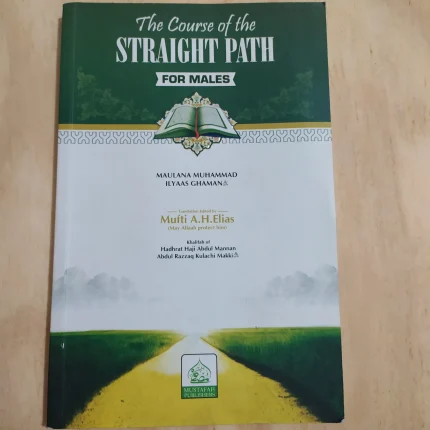

O Traveller to the Sacred City of Madinah Munawwarah

On Remembering Death
On Remembering Death is a profound exploration of the Islamic perspective on mortality, drawn from a section of Ibn Rajab al-Hanbali's renowned work on yearly devotions. The book serves as a reminder of the transient nature of life and the importance of preparing for the Hereafter. It emphasizes the practice of regularly contemplating death to foster a life of purpose and spiritual awareness.
The Prophet Muhammad (peace be upon him) said, "Make much mention of the Destroyer of Delights"—meaning death. This reflection is not intended to be morbid but to remind believers of life's fragility and the eternal nature of the Hereafter. By remembering death daily, individuals are encouraged to live each day meaningfully, preparing for what lies beyond this world.
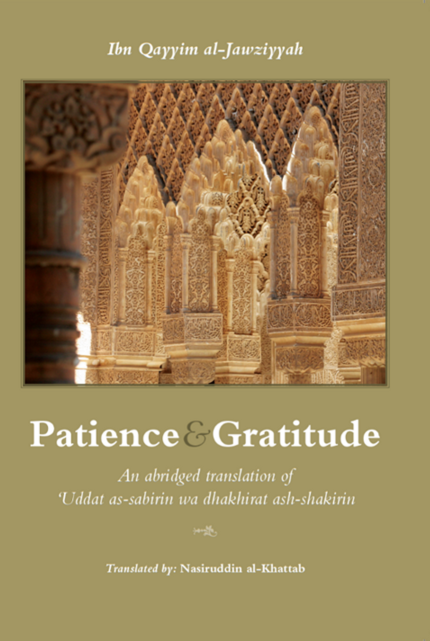
Patience and Gratitude
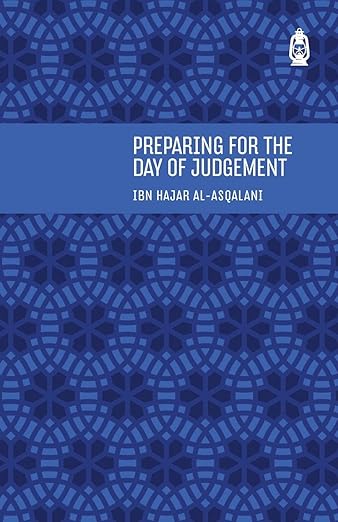
Preparing for the Day of Judgement
Preparing for the Day of Judgement is a concise compilation of sayings and wisdom from the Prophet Muhammad (peace be upon him), his companions, and early pious predecessors. Imam Ibn Hajar al-ʿAsqalānī, renowned for his scholarly works, presents these insights to guide readers in reflecting upon the transient nature of life and the importance of preparing for the Hereafter.
The book emphasizes that the Day of Judgement is not only a future event but also begins with one's own death, urging individuals to live a life of piety and mindfulness. Through practical advice and spiritual reflections, it serves as a reminder of the inevitable meeting with one's Creator and the accountability that follows.
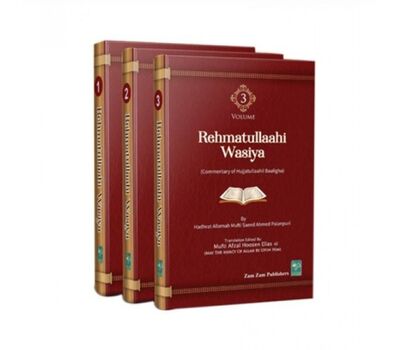
Rahmatullahi al-Wāsiʿah 1/3
Rahmatullahi al-Wāsiʿah is a comprehensive commentary on Shah Waliullah Dehlawi's seminal work, Ḥujjatullāh al-Bāligha. Authored by Shaykh Saeed Ahmad Palanpuri, a renowned Islamic scholar, this commentary delves deep into Islamic theology, philosophy, and jurisprudence. The work is esteemed for its analytical approach and clarity, making complex concepts accessible to scholars and students alike.
The commentary is structured to provide insights into the socio-political and religious contexts of the time, offering readers a profound understanding of Islamic principles and their applications.
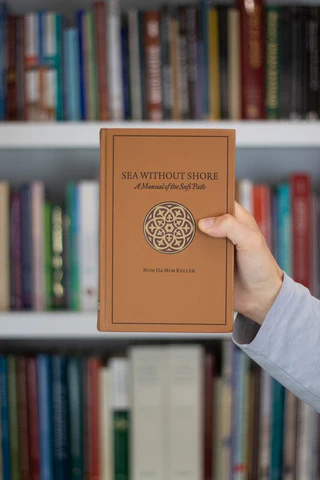
Sea Without Shore: A Manual of the Sufi Path
"Ibn Khaldun on Sufism: Remedy for the Questioner in Search of Answers" is the first-ever English translation of Ibn Khaldun's treatise Shifa’ al-Sa’il li-Tahdhib al-Masa’il. In this work, Ibn Khaldun addresses a prevalent debate in fourteenth-century Andalusia regarding the necessity of a spiritual guide (shaykh) for the Sufi path. He examines whether reliance on written texts suffices for spiritual guidance or if direct mentorship is essential.
The treatise delves into the nature of Sufism, its practices, and its role within Islamic spirituality. Ibn Khaldun, renowned for his contributions to sociology and historiography, applies his analytical acumen to assess the legitimacy and requirements of the Sufi tradition. His insights offer a nuanced understanding of Sufism's place in Islamic thought and practice
This translation by Yumna Ozer provides readers with access to Ibn Khaldun's perspectives on Sufism, shedding light on his views and the intellectual milieu of his time.
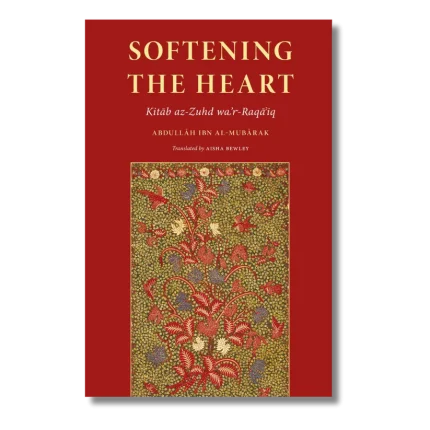
Softening the Heart: Kitāb az-Zuhd wa’r-Raqāʾiq

Suffering & Adversity
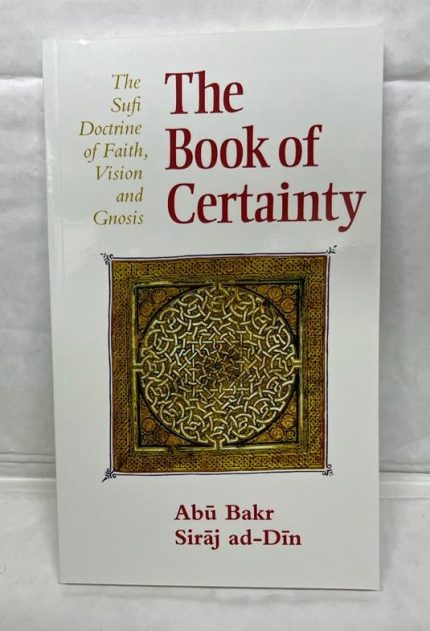
The Book of Certainty: The Sufi Doctrine of Faith, Vision and Gnosis
"The Book of Certainty" is a profound yet accessible introduction to Sufi metaphysics, authored by Dr. Martin Lings under the pen name Abu Bakr Siraj ad-Din. Drawing from Islamic mysticism, the book elucidates the three degrees of certainty
-
'Ilmu 'l-yaqin (Knowledge of Certainty)
-
'Aynu 'l-yaqin (Eye of Certainty)
-
Haqqu 'l-yaqin (Truth of Certainty)
Through vivid metaphors and traditional imagery, Lings explores themes such as the nature of the soul, the symbolism of light and darkness, and the journey of spiritual realization. The work is praised for its clarity and depth, making complex Sufi concepts accessible to readers.
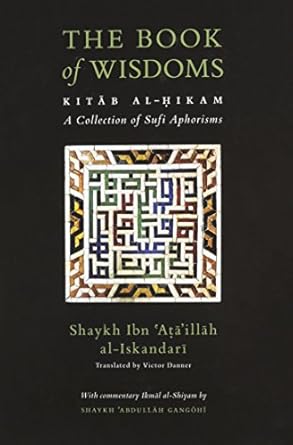
The Book of Wisdoms