
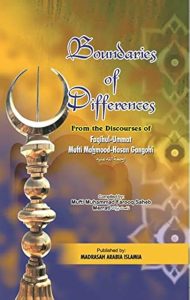
Boundaries of Differences
Boundaries of Differences is a thought-provoking book that delves into the concept of unity amidst diversity in Islam. Authored by Mufti Muhammad Farooq Sahab, the book sheds light on embracing differences within the Muslim community, emphasizing the importance of mutual respect and understanding. It explores how acknowledging and respecting diverse opinions and practices can strengthen the bonds of brotherhood and foster a harmonious society.
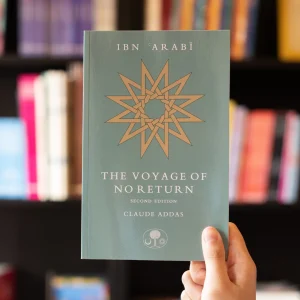
Ibn Arabi: The Voyage of No Return
"Ibn Arabi: The Voyage of No Return" by Claude Addas is a concise and insightful introduction to the life and thought of Ibn Arabi, one of the most influential Sufi mystics. The book traces the major events of Ibn Arabi's life, including his conversion to Sufism, his extensive travels across Andalusia, the Maghreb, and the Middle East, and his encounters with various saints and scholars of his time. Addas delves into Ibn Arabi's profound spiritual experiences and his contributions to Sufi philosophy, particularly his doctrines on prophethood, sainthood, the 'unicity of Being', and the 'imaginal world'. The second edition of the book includes a new preface and an updated bibliography, providing readers with a comprehensive understanding of Ibn Arabi's legacy and his enduring influence on Islamic mysticism.
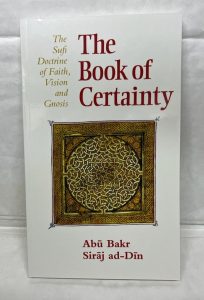

The Traditionalists and Their Intellectual Contribution
The book offers detailed biographies and analyses of the intellectual contributions of eleven eminent scholars of Hadith:albalaghbooks.com
-
Imam Abu Hanifah
-
Imam Malik
-
Imam Shafi'i
-
Imam Ahmad ibn Hanbal
-
Imam Bukhari
-
Imam Muslim
-
Imam Abu Dawood
-
Imam Tirmidhi
-
Imam Nasa'i
-
Imam Ibn Majah
-
Imam Tahawi
Additionally, it explores the historical development of Hadith compilation, providing insights into the methodologies and challenges faced by these scholars in preserving the sayings and actions of the Prophet Muhammad ﷺ.
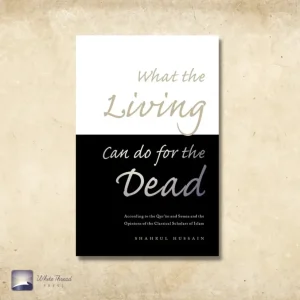
What the Living Can Do for the Dead: According to the Qur’an and Sunna and the Opinions of the Classical Scholars of Islam
This comprehensive yet accessible manual guides readers through the Islamic rites and responsibilities following a person's death. Drawing from the Qur’an, Sunnah, and classical scholarship across all four Sunni schools of thought, it addresses;
-
Procedures upon death
-
Rites of preparing the body for burial
-
Bathing and shrouding the deceased
-
Funeral prayer procedures
-
Etiquette for visiting graves
-
Posthumous donations of reward (isal al-thawab)
-
Atonements, expiations, and settling debts on behalf of the deceased
The book answers practical questions such as the permissibility of transporting a body abroad for burial and placing headstones on graves.