
Ibn Khaldun on Sufism: Remedy for the Questioner in Search of Answers
"Ibn Khaldun on Sufism: Remedy for the Questioner in Search of Answers" is the first-ever English translation of Ibn Khaldun's treatise Shifa’ al-Sa’il li-Tahdhib al-Masa’il. In this work, Ibn Khaldun addresses a prevalent debate in fourteenth-century Andalusia regarding the necessity of a spiritual guide (shaykh) for the Sufi path. He examines whether reliance on written texts suffices for spiritual guidance or if direct mentorship is essential
The treatise delves into the nature of Sufism, its practices, and its role within Islamic spirituality. Ibn Khaldun, renowned for his contributions to sociology and historiography, applies his analytical acumen to assess the legitimacy and requirements of the Sufi tradition. His insights offer a nuanced understanding of Sufism's place in Islamic thought and practice
This translation by Yumna Ozer provides readers with access to Ibn Khaldun's perspectives on Sufism, shedding light on his views and the intellectual milieu of his time.
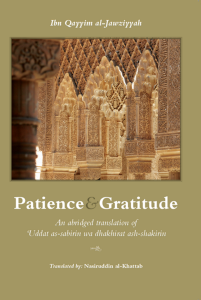
Patience and Gratitude
"Patience and Gratitude" is an abridged translation of Ibn Qayyim al-Jawziyyah's classical work Uddat as-Sabirin wa Dhakhirat ash-Shakirin. In this concise volume, the author delves into two fundamental virtues in Islam: sabr (patience) and shukr (gratitude). He explores their definitions, categories, and significance, illustrating how they contribute to spiritual growth and resilience. The book provides practical insights on cultivating these virtues in daily life, emphasizing their role in achieving inner peace and closeness to Allah. Through references to the Qur'an, Hadith, and the practices of the Sahabah, Ibn Qayyim offers timeless guidance for believers seeking to navigate life's challenges with steadfastness and thankfulness.
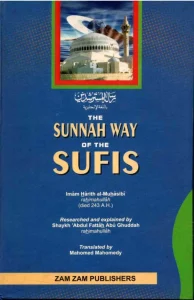
The Sunnah Way of the Sufis
The Sunnah Way of the Sufis is a translation of Imam al-Muhasibi's seminal work, Risalah al-Mustarshidin. This treatise offers profound insights into the spiritual journey of a believer, emphasizing the importance of adhering strictly to the Sunnah (traditions) of the Prophet Muhammad (peace be upon him).
Shaykh Abd al-Fattah Abu Ghuddah's meticulous research and commentary enrich the text, providing context and clarity to Imam al-Muhasibi's teachings. The book delves into various aspects of Islamic spirituality, including self-purification, sincerity in worship, and the ethical conduct expected of a Muslim.
Through narratives, anecdotes, and guidance from the pious predecessors, this work serves as a manual for those seeking to align their lives with the prophetic model, embodying the true essence of Sufism rooted in the Qur'an and Sunnah.

The Traditionalists and Their Intellectual Contribution
The book offers detailed biographies and analyses of the intellectual contributions of eleven eminent scholars of Hadith:albalaghbooks.com
-
Imam Abu Hanifah
-
Imam Malik
-
Imam Shafi'i
-
Imam Ahmad ibn Hanbal
-
Imam Bukhari
-
Imam Muslim
-
Imam Abu Dawood
-
Imam Tirmidhi
-
Imam Nasa'i
-
Imam Ibn Majah
-
Imam Tahawi
Additionally, it explores the historical development of Hadith compilation, providing insights into the methodologies and challenges faced by these scholars in preserving the sayings and actions of the Prophet Muhammad ﷺ.

What the Living Can Do for the Dead: According to the Qur’an and Sunna and the Opinions of the Classical Scholars of Islam
This comprehensive yet accessible manual guides readers through the Islamic rites and responsibilities following a person's death. Drawing from the Qur’an, Sunnah, and classical scholarship across all four Sunni schools of thought, it addresses;
-
Procedures upon death
-
Rites of preparing the body for burial
-
Bathing and shrouding the deceased
-
Funeral prayer procedures
-
Etiquette for visiting graves
-
Posthumous donations of reward (isal al-thawab)
-
Atonements, expiations, and settling debts on behalf of the deceased
The book answers practical questions such as the permissibility of transporting a body abroad for burial and placing headstones on graves.