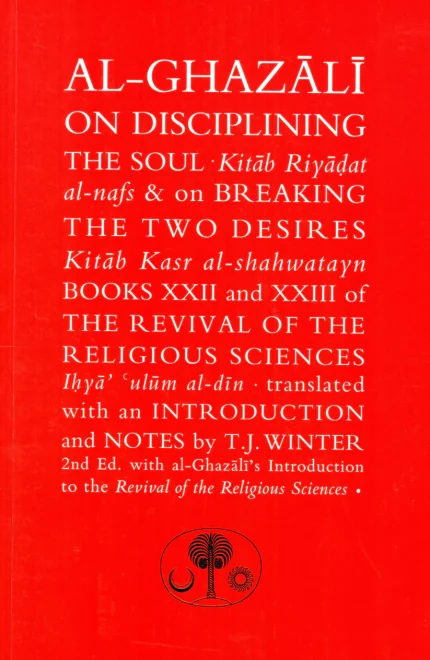
Al-Ghazali on Disciplining the Soul and on Breaking the Two Desires

Al-Ghazali on Intention, Sincerity, and Truthfulness
This book is the 37th chapter of Imam al-Ghazali's seminal work, The Revival of the Religious Sciences (Ihya' Ulum al-Din). In this treatise, al-Ghazali delves into the profound concepts of intention (niyyah), sincerity (ikhlas), and truthfulness (sidq), emphasizing their pivotal role in the ethical and spiritual life of a Muslim.
Al-Ghazali addresses critical questions such as:
-
How can one ascertain the authenticity of their intention?
-
What are the markers of true sincerity in actions?
-
How does one cultivate and maintain truthfulness in both speech and deeds?
Drawing upon Qur'anic verses, prophetic traditions, and insights from Islamic scholars and mystics, al-Ghazali provides a comprehensive exploration of these themes. He underscores that the purity of one's inner state directly influences the acceptance and reward of their outward actions.
This work is essential for those seeking to purify their hearts and align their actions with divine will, offering timeless guidance on the path to spiritual excellence.
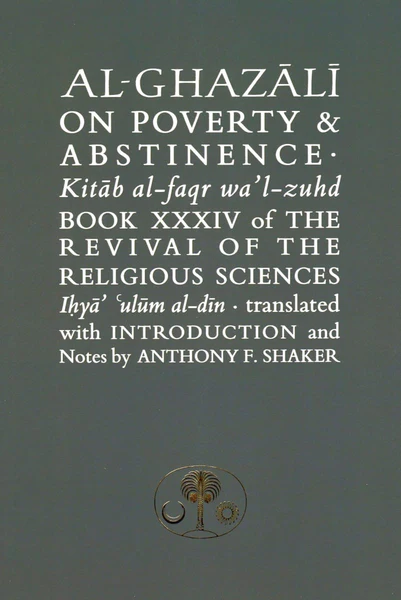
Al-Ghazali on Poverty and Abstinence

Al-Ghazali on the Condemnation of Pride and Self-Admiration
On Remembering Death is a profound exploration of the Islamic perspective on mortality, drawn from a section of Ibn Rajab al-Hanbali's renowned work on yearly devotions. The book serves as a reminder of the transient nature of life and the importance of preparing for the Hereafter. It emphasizes the practice of regularly contemplating death to foster a life of purpose and spiritual awareness.
The Prophet Muhammad (peace be upon him) said, "Make much mention of the Destroyer of Delights"—meaning death. This reflection is not intended to be morbid but to remind believers of life's fragility and the eternal nature of the Hereafter. By remembering death daily, individuals are encouraged to live each day meaningfully, preparing for what lies beyond this world.

Al-Ghazali on the Condemnation of Pride and Self-Admiration
"Al-Ghazali on the Condemnation of Pride and Self-Admiration" is the 29th book in Imam al-Ghazali's monumental work, Ihya’ Ulum al-Din (The Revival of the Religious Sciences). In this treatise, al-Ghazali delves into two fundamental spiritual ailments: pride (kibr) and self-admiration (ujb)
The book is divided into two parts:
-
Pride (Kibr): Al-Ghazali examines how pride is condemned in the Qur'an, its symptoms, outward manifestations, and seven causes, with self-admiration being the root cause. He emphasizes humility as the antidote and provides examples of true and false humility
-
Self-Admiration (Ujb): Al-Ghazali defines self-admiration, explores its inward manifestations, and discusses how it leads to negligence, delusion, and complacency. He offers remedies for each of these conditions
The translator, Mohammed Rustom, is an Associate Professor of Islamic Studies at Carleton University and has provided a lucid and accessible English rendition of al-Ghazali's original Arabic text. His translation is noted for its scholarly accuracy and readability, making this profound work accessible to a wider audience.
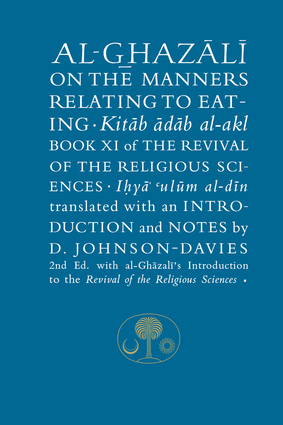
Al-Ghazali on the Manners Relating to Eating
Al-Ghazali on the Manners Relating to Eating is the eleventh book of Imam al-Ghazali's renowned work, The Revival of the Religious Sciences (Ihya' Ulum al-Din). In this treatise, al-Ghazali explores the etiquettes and spiritual dimensions of eating, emphasizing that even mundane activities can be aligned with religious and spiritual principles.
The book is divided into several sections:
-
Eating Alone: Guidelines on ensuring the food is lawful (halal), maintaining cleanliness, and adopting a humble attitude.
-
Eating in Company: Emphasizes the importance of courtesy, engaging in beneficial conversation, and presenting food appropriately.
-
Hospitality: Discusses the virtues of hosting guests, the responsibilities of the host, and the etiquettes of accepting invitations.
Al-Ghazali also delves into topics such as lawful and unlawful foods, the significance of contentment with little, and the health benefits of moderation. He draws extensively from the teachings of the Prophet Muhammad (peace be upon him) and early Muslim practices to illustrate how eating can be a means of spiritual elevation.

Al-Ghazali on the Ninety-Nine Beautiful Names of God

Al-Ghazali on the Remembrance of Death & the Afterlife
Al-Ghazali on the Remembrance of Death & the Afterlife is the 40th and final book of Imam al-Ghazali's monumental work, Ihya’ Ulum al-Din (The Revival of the Religious Sciences). This treatise delves into the Islamic eschatological perspective, emphasizing the significance of remembering death as a means to purify the soul and redirect one's focus toward the afterlife.
The book is divided into two main parts:
-
On the Remembrance of Death: Al-Ghazali discusses the importance of frequently contemplating death, highlighting how this practice can lead to a more pious and purposeful life.
-
On the Afterlife: He provides a detailed account of the events that follow death, including the questioning in the grave, the Day of Judgment, the intercession of the Prophet Muhammad (peace be upon him), the torments of Hell, the delights of Paradise, and the ultimate vision of God's Countenance for the elect.
This work serves as a profound guide for Muslims seeking to understand the transient nature of worldly life and the eternal significance of the hereafter.

Al-Ghazali on Vigilance and Self-Examination
Al-Ghazali on Vigilance and Self-Examination is the 38th chapter of Imam al-Ghazali's seminal work, The Revival of the Religious Sciences (Ihya' Ulum al-Din). In this treatise, al-Ghazali explores the concept of steadfastness in religion (murabata), emphasizing vigilance (muraqaba) and self-examination (muhasaba) as its cornerstones. He outlines six stations of steadfast commitment:
-
Agreeing Upon the Conditions: Establishing the conditions the soul must follow.
-
Vigilance: Constantly monitoring one's actions and intentions.
-
Self-Examination After the Act: Reflecting on actions post-performance.
-
Punishing the Soul for Its Dereliction: Holding oneself accountable for shortcomings.
-
Renewed Striving: Persisting in efforts despite challenges.
-
Censure: Critiquing oneself to foster improvement
Drawing upon the Qur'an, the example of the Prophet Muhammad (peace be upon him), and the sayings of numerous scholars and Sufis, al-Ghazali provides a comprehensive framework for spiritual discipline and ethical conduct. This work is a valuable resource for anyone seeking to cultivate mindfulness and integrity in their spiritual journey.

Al-Ghazali: Letter to a Disciple (Ayyuha’l-Walad)

Al-Hisnul Haseen (The Fortified Fortress)